Archives
- 2026-08
- 2026-07
- 2026-06
- 2026-05
- 2026-04
- 2026-03
- 2026-02
- 2026-01
- 2025-12
- 2025-11
- 2025-10
- 2025-09
- 2025-04
- 2025-03
- 2025-02
- 2025-01
- 2024-12
- 2024-11
- 2024-10
- 2024-09
- 2024-08
- 2024-07
- 2024-06
- 2024-05
- 2024-04
- 2024-03
- 2024-02
- 2024-01
- 2023-12
- 2023-11
- 2023-10
- 2023-09
- 2023-08
- 2023-07
- 2023-06
- 2023-05
- 2023-04
- 2023-03
- 2023-02
- 2023-01
- 2022-12
- 2022-11
- 2022-10
- 2022-09
- 2022-08
- 2022-07
- 2022-06
- 2022-05
- 2022-04
- 2022-03
- 2022-02
- 2022-01
- 2021-12
- 2021-11
- 2021-10
- 2021-09
- 2021-08
- 2021-07
- 2021-06
- 2021-05
- 2021-04
- 2021-03
- 2021-02
- 2021-01
- 2020-12
- 2020-11
- 2020-10
- 2020-09
- 2020-08
- 2020-07
- 2020-06
- 2020-05
- 2020-04
- 2020-03
- 2020-02
- 2020-01
- 2019-12
- 2019-11
- 2019-10
- 2019-09
- 2019-08
- 2019-07
- 2019-06
- 2019-05
- 2019-04
- 2018-11
- 2018-10
- 2018-07
-
In light of several reports of defects
2023-03-31
In light of several reports of defects in memory-related tasks for the dysbindin-deficient mice (Cox et al., 2009, Takao et al., 2008), it was rather unexpected that an enhancement of CA3–CA1 LTP was observed in our investigation as well as in another independent study (T.T. Tang et al., 2009). The
-
The number of times an animal reared was
2023-03-30
The number of times an animal reared was the only emotional behavior that was significantly higher in the young mice than in the middle-aged group. This may be explained by diminished curiosity or augmented ambulation with aging (Lalonde and Strazielle, 2008). A recent study showed that middle-aged
-
br Does TIPARP contribute to the diverse species sensitivity
2023-03-28
Does TIPARP contribute to the diverse species sensitivity to TCDD toxicity? In chick embryo hepatocytes TIPARP was reported to mediate the TCDD-dependent suppression of hepatic gluconeogenesis, by reducing cellular NAD+ levels and reducing PCK1 expression, suggesting that ADP-ribosylation enhance
-
In the final set of experiments the
2023-03-28
In the final set of experiments, the dependence of the reaction rate on viscosity was determined. The experimental protocol previously used to study the reaction of LOX with AA was used., Reactions of 5-LOX and AA were carried out at different relative viscosities in Tris buffer (25mM, pH 8.0) at 20
-
Oxaliplatin australia The skin permeability barrier is impor
2023-03-27
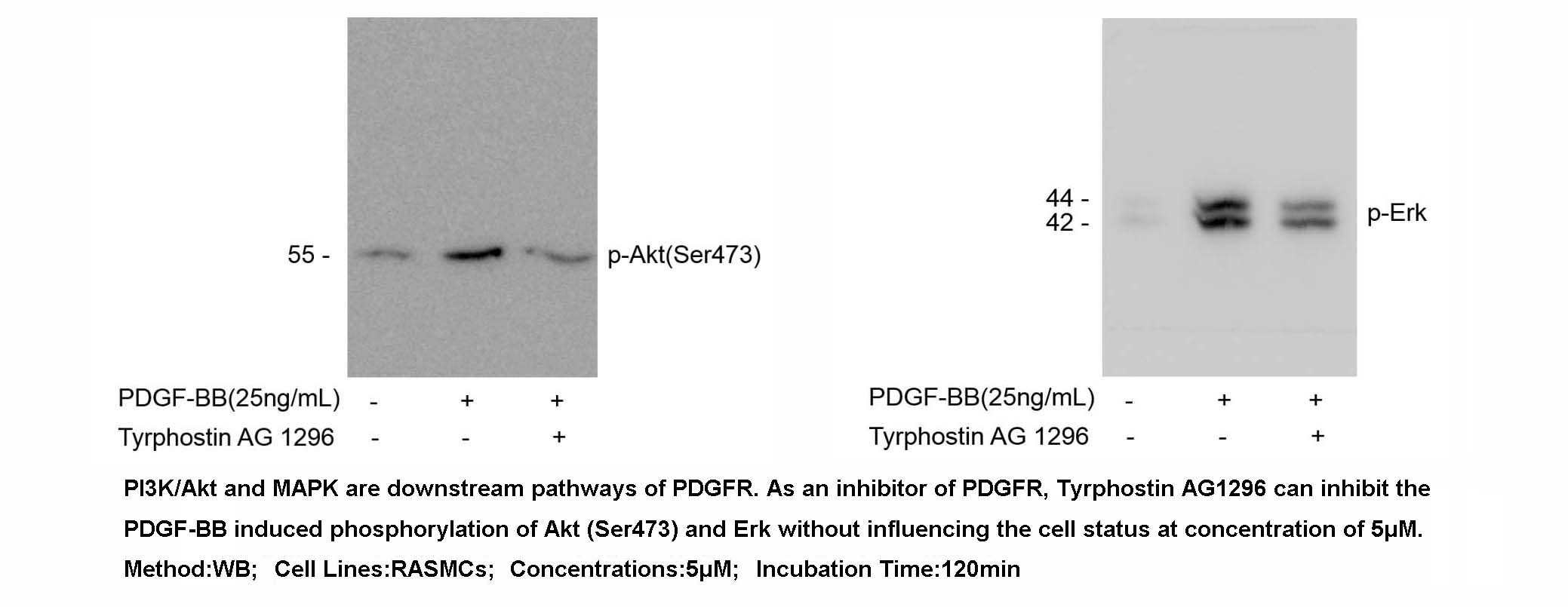
The skin permeability barrier is important for the prevention of loss of water and electrolytes from inside the body and for protection against the invasion of external pathogens, allergens, and harmful compounds. Multi-layered lipids, called lipid lamellae, are present in the outermost cell layer o
-
With regard to the first question subcellular fractionation
2023-03-27
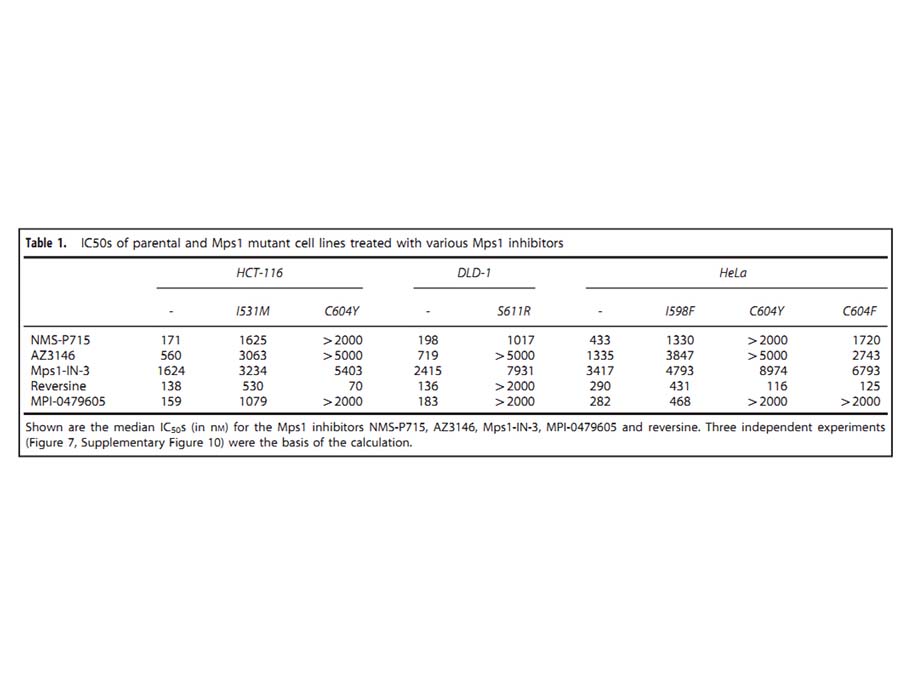
With regard to the first question, subcellular fractionation studies revealed that BDK and PPM1K are clearly detectable in both the mitochondrial and cytosolic subcellular fractions, thus making it possible for these enzymes to interact with both the BCKDH and ACL substrates. The preferential presen
-
Oocytes from the African clawed frog Xenopus laevis have
2023-03-27
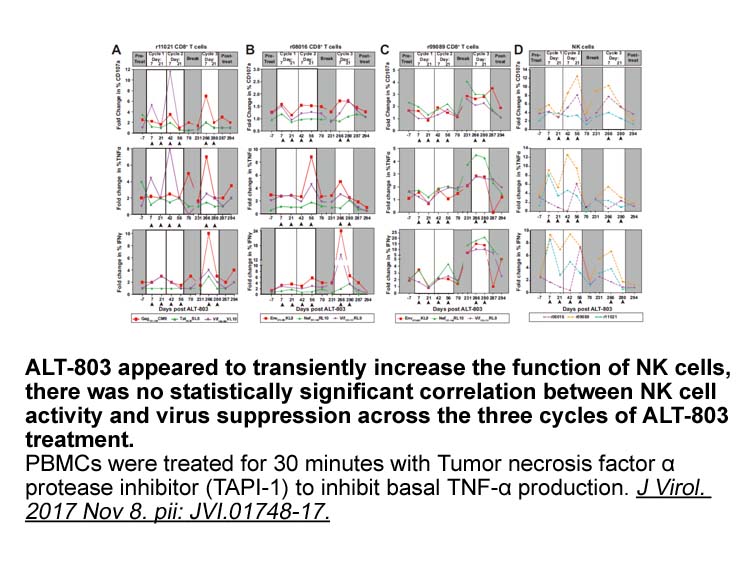
Oocytes from the African clawed frog Xenopus laevis have been widely used as an expression system to study the modulation of NMDA receptors by metabotropic receptors, such as metabotropic glutamate receptors [12], μ opioid receptors [13], insulin receptors [14] and serotonin receptors [15]. No data
-
Furthermore low affinity sites that share no structural
2023-03-27
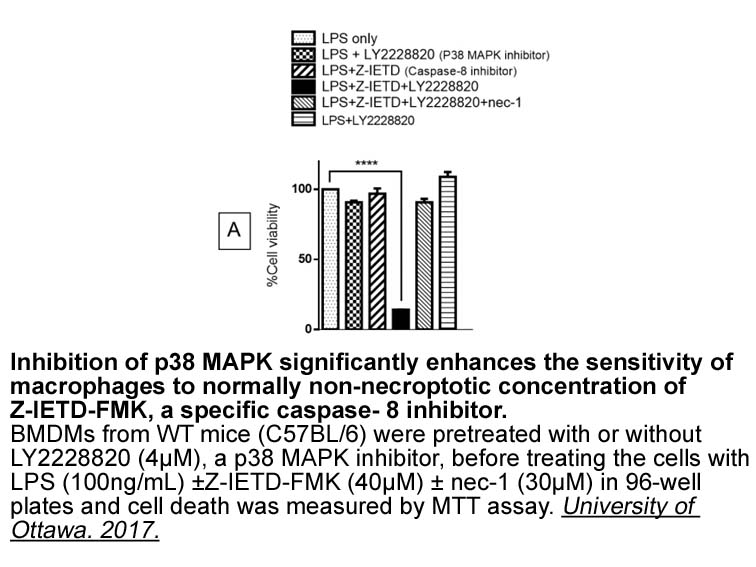
Furthermore, low-affinity sites that share no structural homology with the aforementioned sites have been described in the transmembrane domain. It has been discovered that, in α1βγ2 receptors, potentiation of GABA-activated currents by high concentrations of diazepam is biphasic, with a high- and a
-
Epidermal growth factor EGF has been shown to increase
2023-03-22
Epidermal growth factor (EGF) has been shown to increase the 12S-lipoxygenase mRNA level by about two-fold in human epidermoid carcinoma A431 cells [71]. This enzyme was shown to be of the platelet-type and associated with the microsomal fraction of the cells [71], [72]. A requirement for EGF recept
-
The only psychostimulant treatment option in Turkey is methy
2023-03-22
The only psychostimulant treatment option in Turkey is methylphenidate (Çetin et al., 2015). It is broken down by carboxylase enzyme (CES1) (Sun et al., 2004). From the point of pharmacokinetics, it may be suggested that CES1 gene polymorphisms may be the key responsible factors in patients resistan
-
br Materials and methods br Results br Discussion In
2023-03-22
Materials and methods Results Discussion In this study, we have demonstrated that the adiponectin system (genes and proteins) is present in the porcine endometrium (epithelial glandular cells, luminal epithelial AMD3100 8HCl mg and stromal cells) and myometrium (longitudinal and circular m
-
Numerous studies have reported high glutamate levels
2023-03-22
Numerous studies have reported high glutamate levels in the brains of patients with depression, indicating that the glutamate system plays a crucial role in depression (Sanacora et al., 2004; Kendell et al., 2005; Hashimoto et al., 2007). Furthermore, several clinically effective antidepressant drug
-
br Acknowledgement This work was
2023-03-22
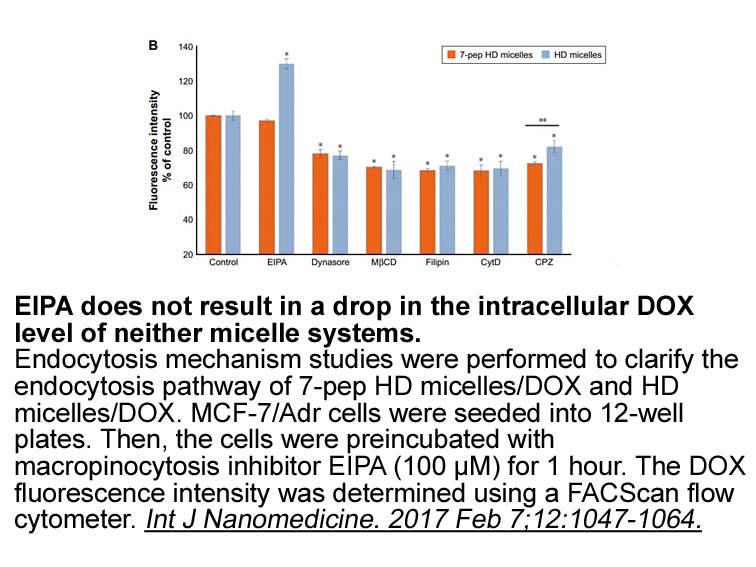
Acknowledgement This work was supported by grants from the American Heart Association Scientist Development Grant (SDG) to A. Elmarakby and 1R01EY023315-01 award to M. Al-Shabrawey. Introduction Inflammatory response is the result of a complex interaction between immune Mubritinib receptor a
-
In this study PRP positively regulated MIIP levels
2023-03-22
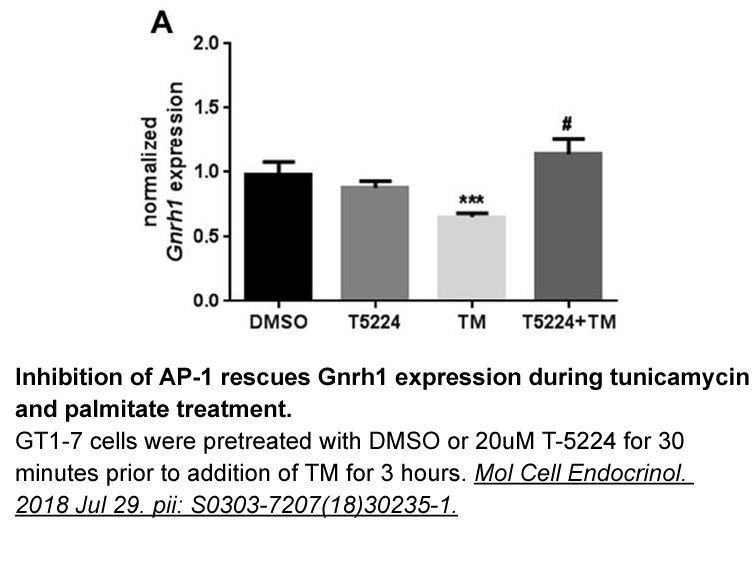
In this study, PRP4 positively regulated MIIP levels and significantly inhibited the invasion of HCT116 cells. Further investigations elucidated that PRP4 dephosphorylated MIIP via PP1A regulation, which was confirmed by PP1A inhibition in the presence of OA. Upon dephosphorylation, MIIP possibly in
-
MLN another selective Aurora A inhibitor is said to be
2023-03-22
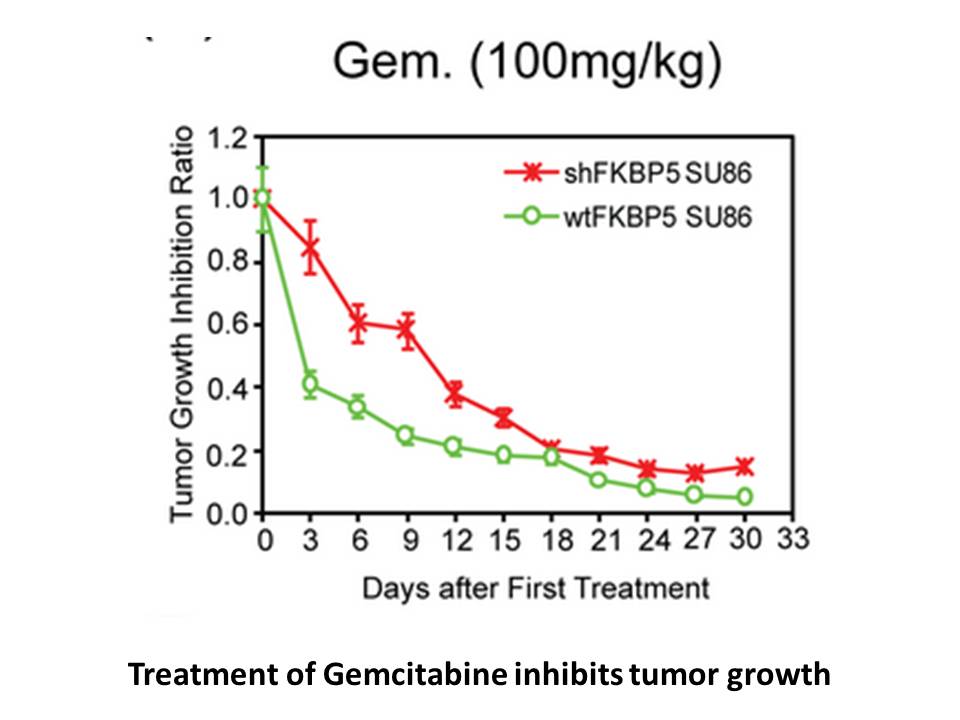
MLN8237, another selective Aurora-A inhibitor is said to be more potent than MLN8054 and to cause less benzodiazepine-like side effects based on structure modulation by the addition of a methoxy group to either end of the MLN8054 molecule. It was studied [62] in a once daily (QD) schedule for 7 days
16583 records 369/1106 page Previous Next First page 上5页 366367368369370 下5页 Last page