Archives
- 2026-08
- 2026-07
- 2026-06
- 2026-05
- 2026-04
- 2026-03
- 2026-02
- 2026-01
- 2025-12
- 2025-11
- 2025-10
- 2025-09
- 2025-04
- 2025-03
- 2025-02
- 2025-01
- 2024-12
- 2024-11
- 2024-10
- 2024-09
- 2024-08
- 2024-07
- 2024-06
- 2024-05
- 2024-04
- 2024-03
- 2024-02
- 2024-01
- 2023-12
- 2023-11
- 2023-10
- 2023-09
- 2023-08
- 2023-07
- 2023-06
- 2023-05
- 2023-04
- 2023-03
- 2023-02
- 2023-01
- 2022-12
- 2022-11
- 2022-10
- 2022-09
- 2022-08
- 2022-07
- 2022-06
- 2022-05
- 2022-04
- 2022-03
- 2022-02
- 2022-01
- 2021-12
- 2021-11
- 2021-10
- 2021-09
- 2021-08
- 2021-07
- 2021-06
- 2021-05
- 2021-04
- 2021-03
- 2021-02
- 2021-01
- 2020-12
- 2020-11
- 2020-10
- 2020-09
- 2020-08
- 2020-07
- 2020-06
- 2020-05
- 2020-04
- 2020-03
- 2020-02
- 2020-01
- 2019-12
- 2019-11
- 2019-10
- 2019-09
- 2019-08
- 2019-07
- 2019-06
- 2019-05
- 2019-04
- 2018-11
- 2018-10
- 2018-07
-
Cux is a cell cycle dependent transcription repressor that
2022-07-28
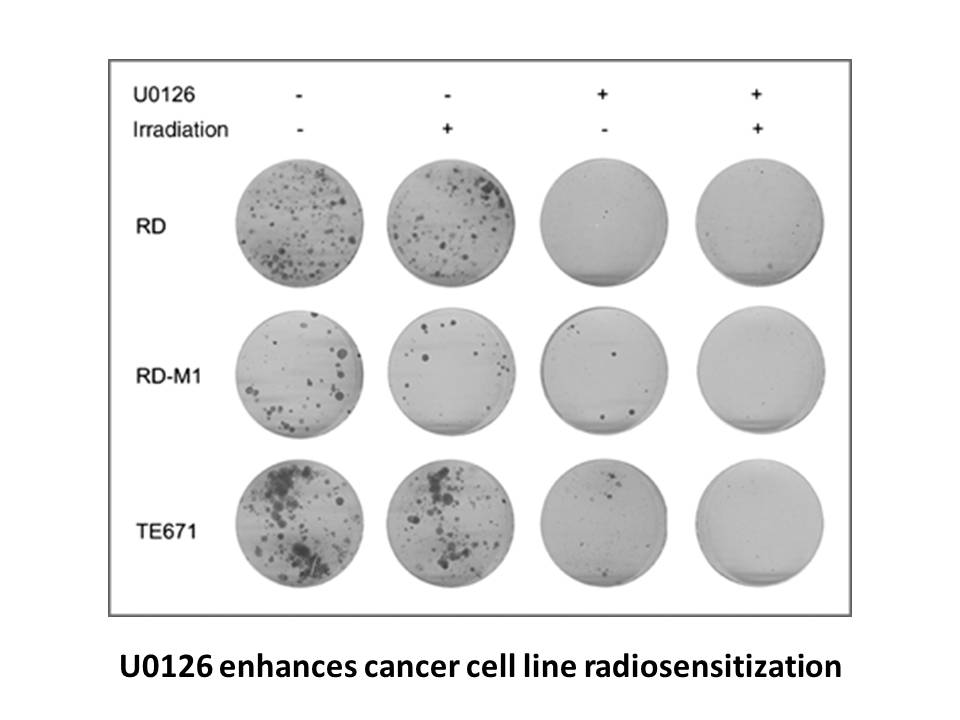
Cux1 is a Disuflo Cy3 azide sale dependent transcription repressor that is aberrantly expressed in the Pkd1 null, Pkd1CD, and cpk mouse models of PKD, as well as in human ADPKD cells (Vanden Heuvel et al., 1996; Sharma et al., 2005; Paul et al., 2011; Alcalay et al., 2008). In Pkd1 null mice and in
-
Introduction Inorganic arsenic InAs species such as arsenite
2022-07-28
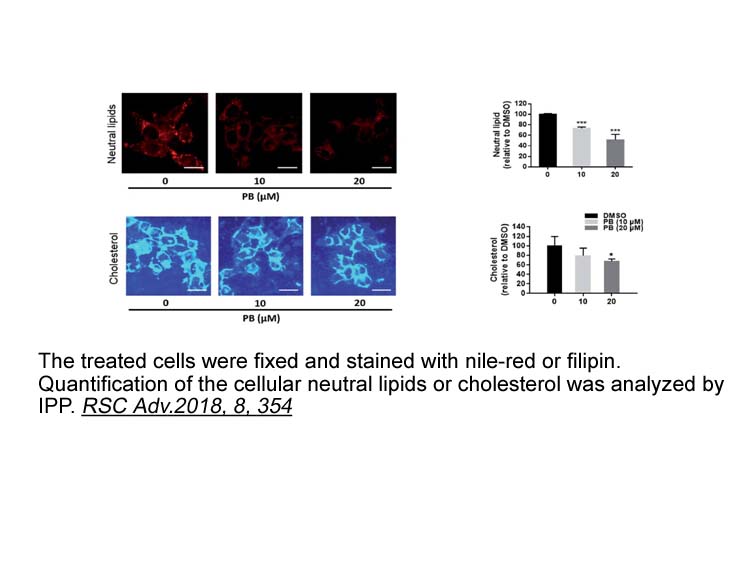
Introduction Inorganic arsenic (InAs) species such as arsenite (AsIII) and arsenate (AsV) are present in groundwater. Arsenic contaminated drinking water is a global public health issue because of its natural prevalence and toxicity. Long exposure to arsenic results in chronic effect in humans, inc
-
br Soluble guanylyl cyclase nitric oxide and nitric
2022-07-28
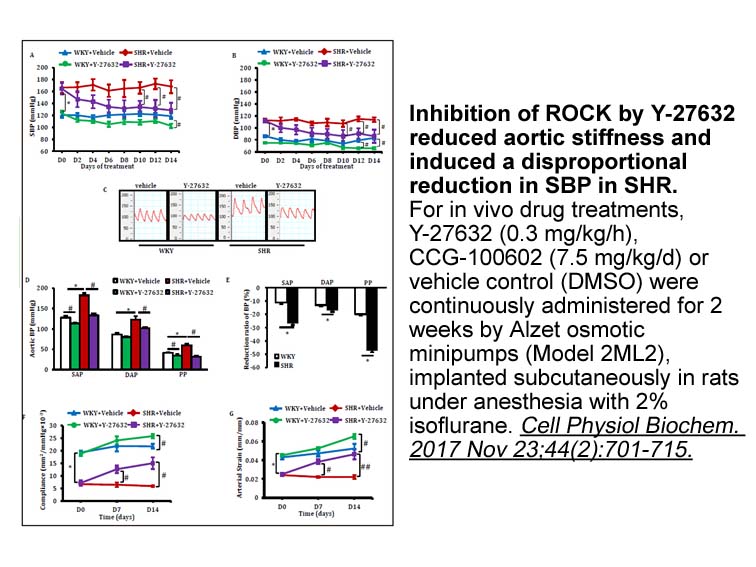
Soluble guanylyl cyclase, nitric oxide and nitric oxide synthase The primary and best-studied endogenous activator of soluble guanylyl cyclase (sGC) is nitric oxide (NO), which was originally describe as endothelium-derived relaxing factor for its potent ability to relax blood vessels in response
-
Glycogen synthase kinase GSK is an evolutionarily conserved
2022-07-27

Glycogen synthase kinase-3β (GSK-3β) is an evolutionarily conserved serine/threonine kinase that plays multifaceted role in diverse cellular and neurophysiological processes [8]. GSK-3β is regulated by inhibitory serine and stimulatory tyrosine phosphorylation on Ser9 and Tyr216 respectively [9]. Dy
-
The Berlin patient is a unique case and
2022-07-27
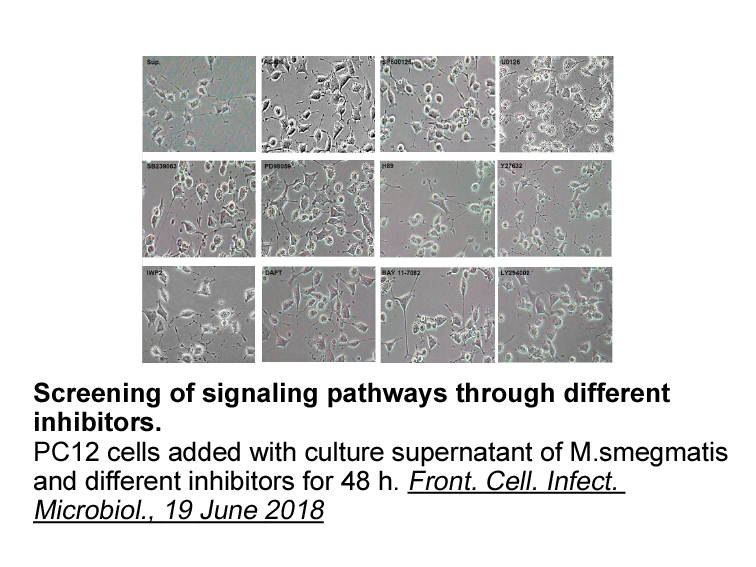
The Berlin patient is a unique case and dependent on the histocompatibility-matched CCR5Δ32/Δ32 homozygous donors. These donors occur at a little higher rate in the European Caucasian population, but they are very rare in Asians and Africans.15, 16, 17 The recently developed genome-editing technolog
-
chem 6 br Materials and methods br Results
2022-07-27

Materials and methods Results Discussion The GO system is an important mechanism for maintaining the integrity of genetic material in many eukaryotic organisms. This is demonstrated by the high conservation, across different evolutionary lineages, of the sequences of the proteins that compo
-
GlyRs are members of the superfamily of Cys
2022-07-27
GlyRs are members of the superfamily of Cys-loop receptors (CLRs) [3]. They form postsynaptic pentameric receptor complexes of α1 and β subunits anchored via the scaffolding protein gephyrin [4]. GlyRs are composed of several domains with the large N-terminal extracellular domain (ECD) important for
-
Here we report the first
2022-07-27
Here we report the first attempts to assess roles of NTs and ABC transporters in transfer of ribavirin across the placental barrier using human placental villous fragments and microvillous plasma membrane (MVM) vesicles, in situ dually perfused rat term placenta, and cell-based models. Materials
-
br Materials and methods br Results br Discussion
2022-07-27
Materials and methods Results Discussion l-glutamate is the major excitatory neurotransmitter in the brain, and is functionally involved in many processes of the nervous system which have been connected with several neurological diseases [4]. These conditions are characterized by the time-d
-
br According to WHO estimates
2022-07-27
According to WHO 2014 estimates, diabetes continues to present an increasing health risk to the global population, affecting 422 million individuals worldwide. Type 2 diabetes (T2D), which affects the vast majority (ca. 90%) of the diabetic population, occurs when the body cannot effectively utili
-
In contrast to short term effects long
2022-07-27
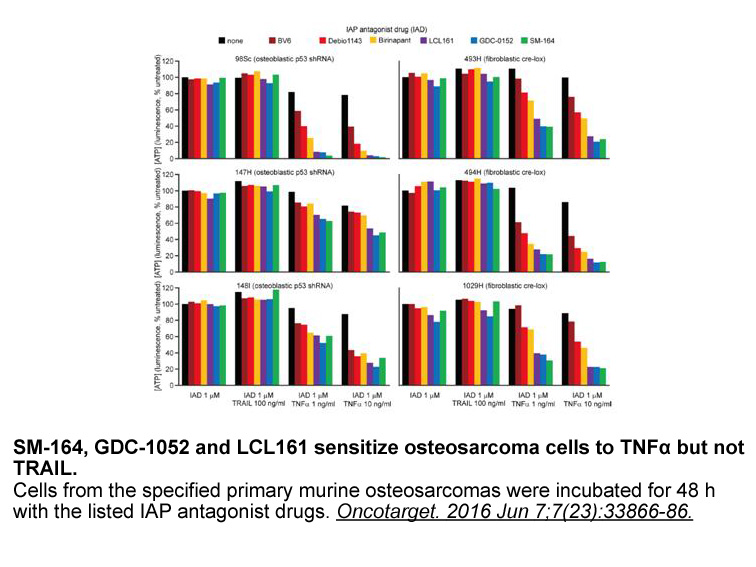
In contrast to short-term effects, long-term exposure of beta cells to FFAs impairs insulin secretion and triggers apoptosis [13]. The deleterious effects of FFAs have been linked to altered glucose/fatty transketolase oxidation cycle [13], decreased NADPH content [14], endoplasmic reticulum (ER) s
-
br Methods br Results br Discussion Significant
2022-07-27
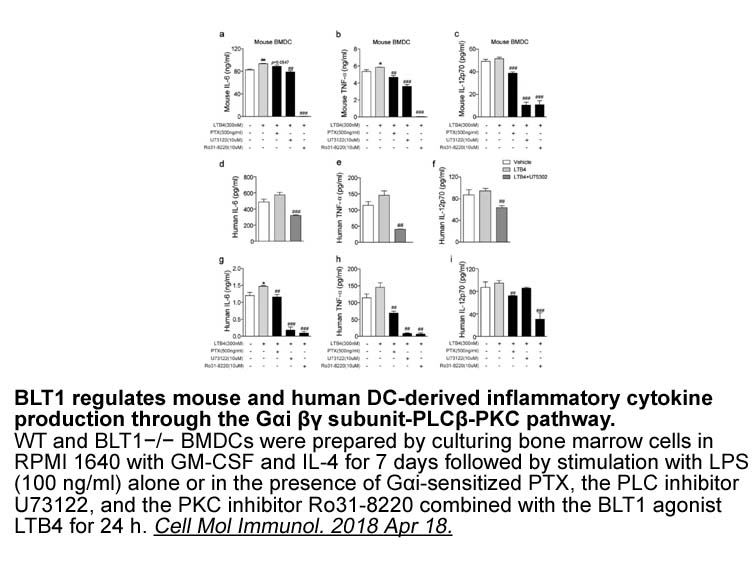
Methods Results Discussion Significant alterations in the expression of genes related to the glutamatergic system have been shown in several experimental models of epilepsy; however, in most studies focused on acute changes or modifications in expression, these were investigated during the
-
Alexidine dihydrochloride Murine models of sickle disease ha
2022-07-27
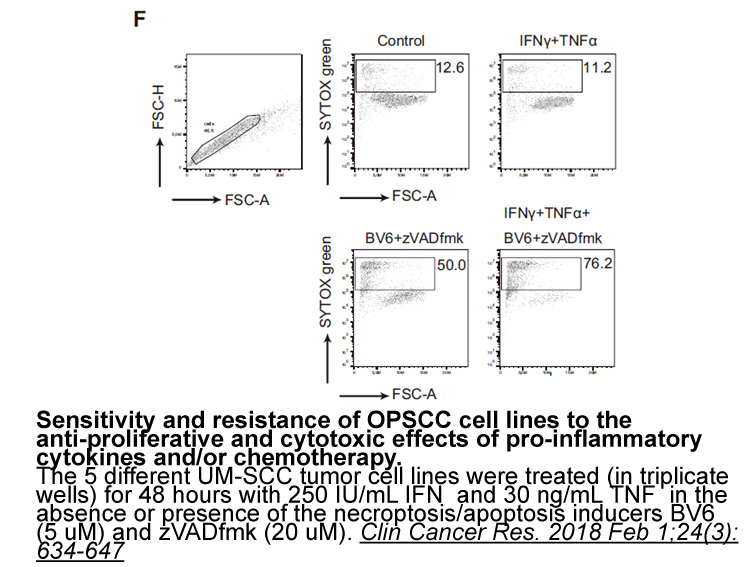
Murine models of sickle disease have been valuable tools in the study of human SCD pathogenesis [15], [16], and will continue to be central to development of novel approaches to disease treatment. The SAD mouse model of sickle disease is particularly remarkable for its erythrocyte dehydration phenot
-
In addition to our results Chen et al showed
2022-07-27
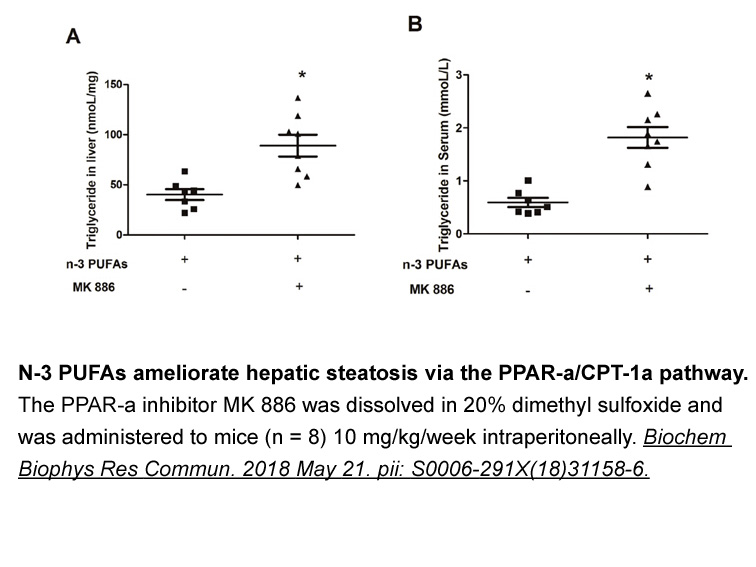
In addition to our results, Chen et al. showed that administration of the GalR1 antagonist M40 improves cardiac function and attenuates cardiac remodeling in rats with heart failure [26]. These effects might be attributed to M40 suppression of galanin inhibitory effect on the vagal nerve in heart fa
-
br Clinical development of FGFR inhibitors in
2022-07-27
Clinical development of FGFR inhibitors in breast cancer The rationale to explore the role of FGFR inhibitors in patients with breast cancer comes from a variety of sources. These include genomic aberrations frequently identified in the FGF/FGFR pathway in breast cancer, the increased sensitivity
16582 records 439/1106 page Previous Next First page 上5页 436437438439440 下5页 Last page