Archives
- 2026-07
- 2026-06
- 2026-05
- 2026-04
- 2026-03
- 2026-02
- 2026-01
- 2025-12
- 2025-11
- 2025-10
- 2025-09
- 2025-04
- 2025-03
- 2025-02
- 2025-01
- 2024-12
- 2024-11
- 2024-10
- 2024-09
- 2024-08
- 2024-07
- 2024-06
- 2024-05
- 2024-04
- 2024-03
- 2024-02
- 2024-01
- 2023-12
- 2023-11
- 2023-10
- 2023-09
- 2023-08
- 2023-07
- 2023-06
- 2023-05
- 2023-04
- 2023-03
- 2023-02
- 2023-01
- 2022-12
- 2022-11
- 2022-10
- 2022-09
- 2022-08
- 2022-07
- 2022-06
- 2022-05
- 2022-04
- 2022-03
- 2022-02
- 2022-01
- 2021-12
- 2021-11
- 2021-10
- 2021-09
- 2021-08
- 2021-07
- 2021-06
- 2021-05
- 2021-04
- 2021-03
- 2021-02
- 2021-01
- 2020-12
- 2020-11
- 2020-10
- 2020-09
- 2020-08
- 2020-07
- 2020-06
- 2020-05
- 2020-04
- 2020-03
- 2020-02
- 2020-01
- 2019-12
- 2019-11
- 2019-10
- 2019-09
- 2019-08
- 2019-07
- 2019-06
- 2019-05
- 2019-04
- 2018-11
- 2018-10
- 2018-07
-
96365 In silico analysis revealed structural similarities be
2022-01-17

In silico analysis revealed structural similarities between the CpMutY and the EcMutY which share typical domains and structural motifs (Fig. 5), common to a wide range of structurally related DNA repair enzymes. These include an endonuclease III domain, involved in excision of damaged pyrimidines,
-
In addition to GABA mediated mIPSCs glutamate mediated minia
2022-01-17
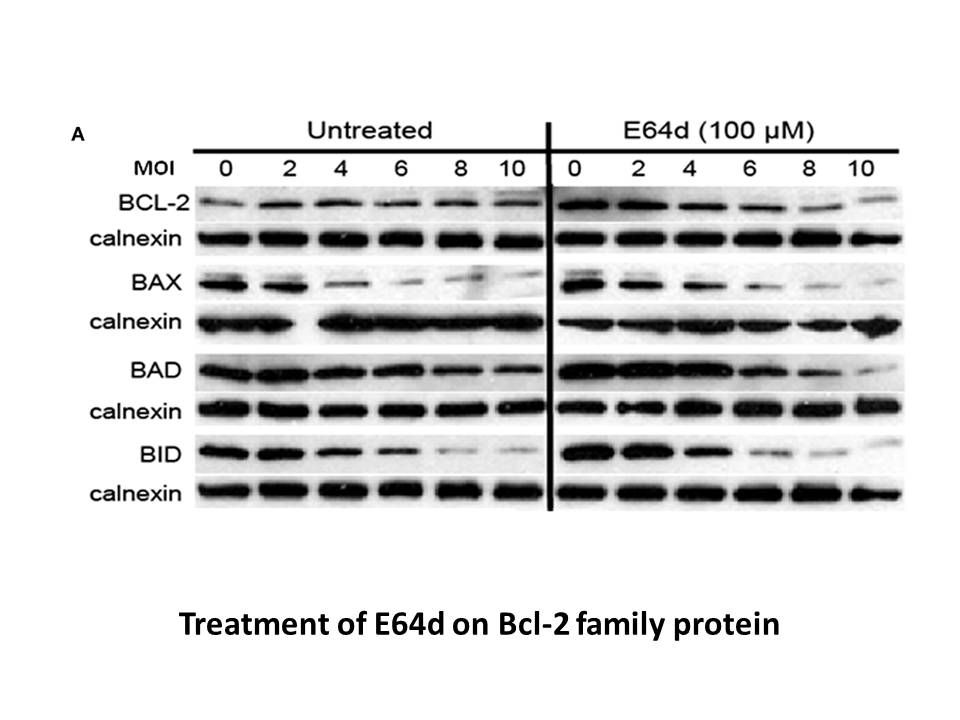
In addition to GABA-mediated mIPSCs, glutamate-mediated miniature excitatory postsynaptic potentials (mEPSCs) regulate the excitability of the nervous system. GluRs can be divided into ionic and metabotropic GluRs. Ionotropic GluRs can be pharmacologically differentiated by specific binding of the a
-
br Conclusions The results of this work showed
2022-01-17

Conclusions The results of this work showed that β-glucosidase could be efficiently immobilized onto hydroxyapatite nanoparticles in a single adsorption step. The enzyme adsorption was accomplished by coordination bonds between remaining Ca2+ sites of HA and COO− of amino acids. The immobilizatio
-
It is widely acknowledged that CpG methylation of the promot
2022-01-17
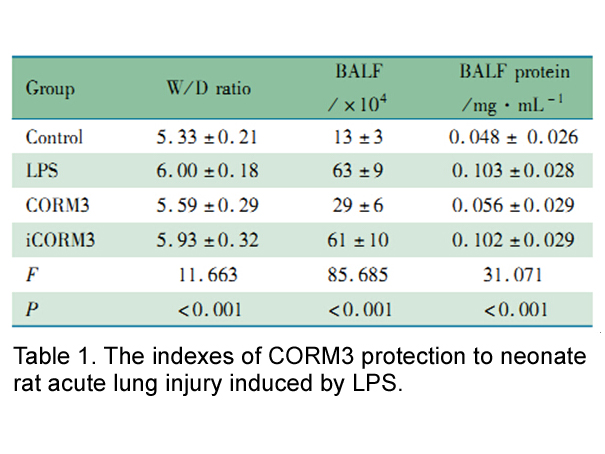
It is widely acknowledged that CpG methylation of the promoter regions of some genes plays an important regulatory role in transcriptional regulation and in the establishment and maintenance of cell type-specific gene expression (Li, 2002, Jaenisch and Bird, 2003). This study obtained multiple lines
-
br Conflict of interest statement br Acknowledgements br Int
2022-01-17

Conflict of interest statement Acknowledgements Introduction Galanin is a multi-functional neuropeptide that is widely distributed in the neuroendocrine system and peripheral tissues of various species. This 29-amino-acid peptide (30 in humans) is proteolytically processed from its precurso
-
According to its major function as master
2022-01-17
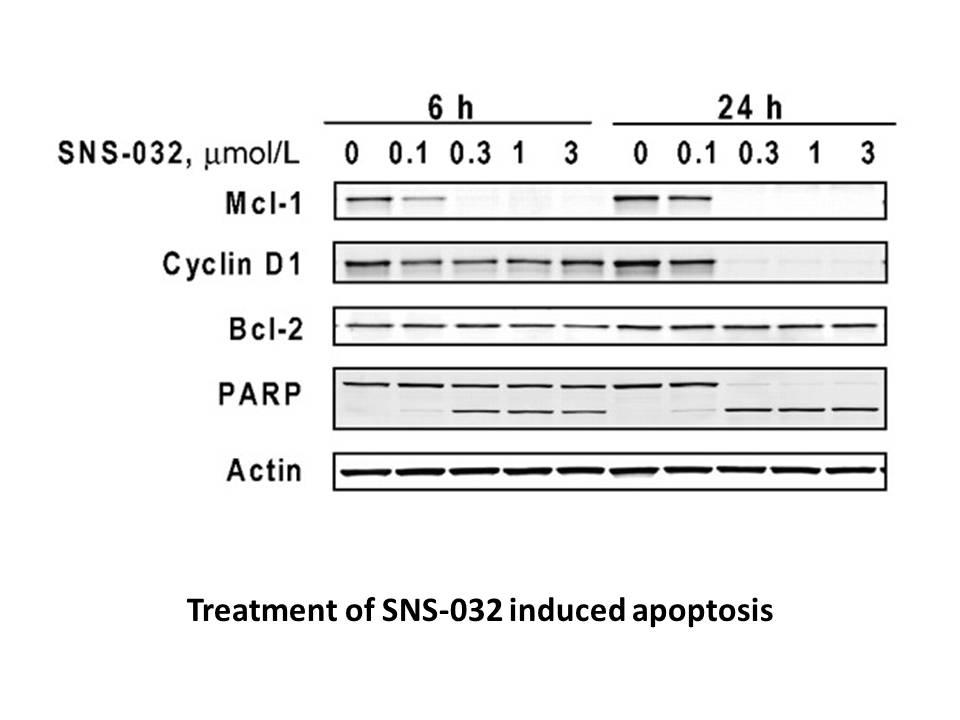
According to its major function as master regulator of BA homeostasis, FXR has been shown to have a specific tissue distribution; it is expressed along the entire gastrointestinal tract with a peak in the liver and ileum, as well as in the kidney, and adrenal glands [30], [66], [135]. Low FXR expres
-
Dysregulation of the HPA axis resulting in alteration
2022-01-15
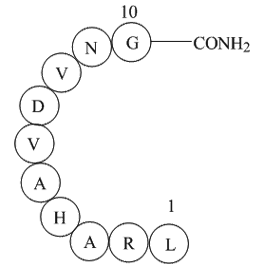
Dysregulation of the HPA axis, resulting in alteration to both baseline and stress-induced glucocorticoid levels (e.g., cortisol and corticosterone), has been implicated in several diseases and psychopathologies, including anxiety (McEwen et al., 2015, 2016; Shin and Liberzon, 2010). For example, ba
-
Sarpogrelate hydrochloride A nitric oxide donor glyceryl tri
2022-01-15
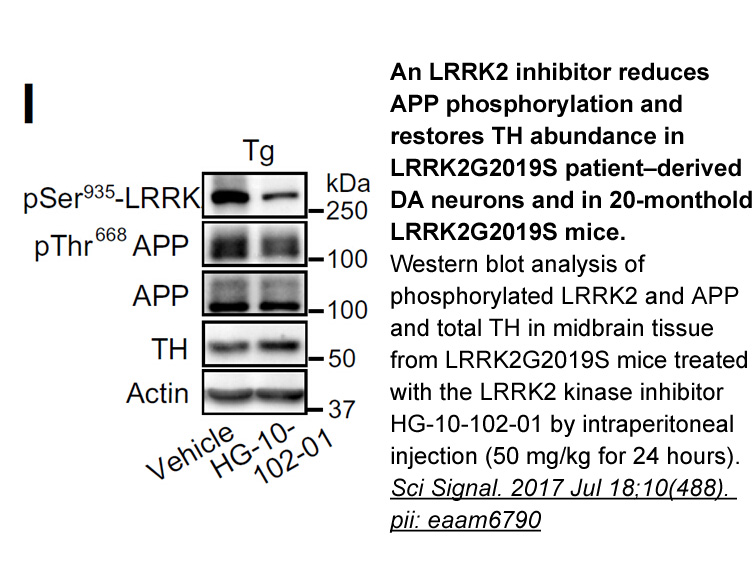
A nitric oxide donor, glyceryl-trinitrite, and the substrate for nitric oxide, l-arginine, have been used to treat preterm labor. However, these studies are preliminary. The beneficial effect of nitric oxide donors needs to be confirmed by more controlled studies. The probable pitfall of using nitri
-
br Materials and methods br Results br Discussion Although t
2022-01-15
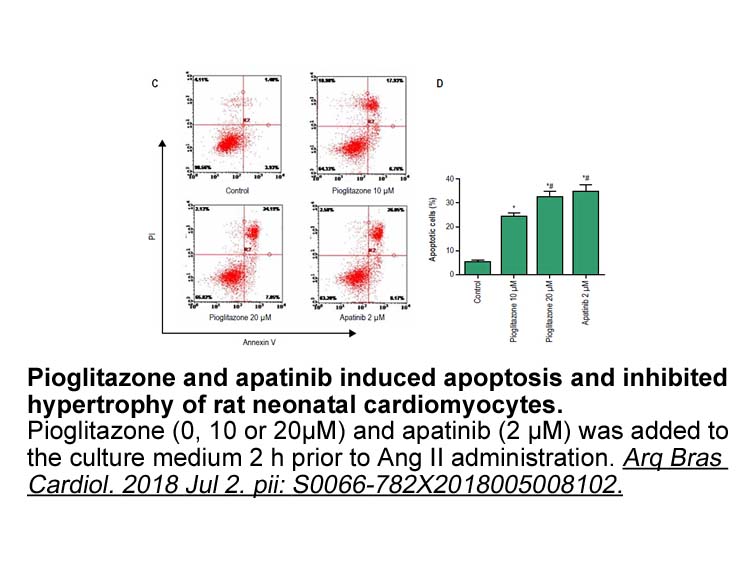
Materials and methods Results Discussion Although there is general agreement that GPR109A has anti-lipolytic activity and that the NEFA reduction in response to nicotinic PD 151746 mg is mediated by GPR109A, whether GPR109A activation has any impact on plasma TG levels is unclear. Since th
-
Apart from the different assays used biased agonism could
2022-01-15
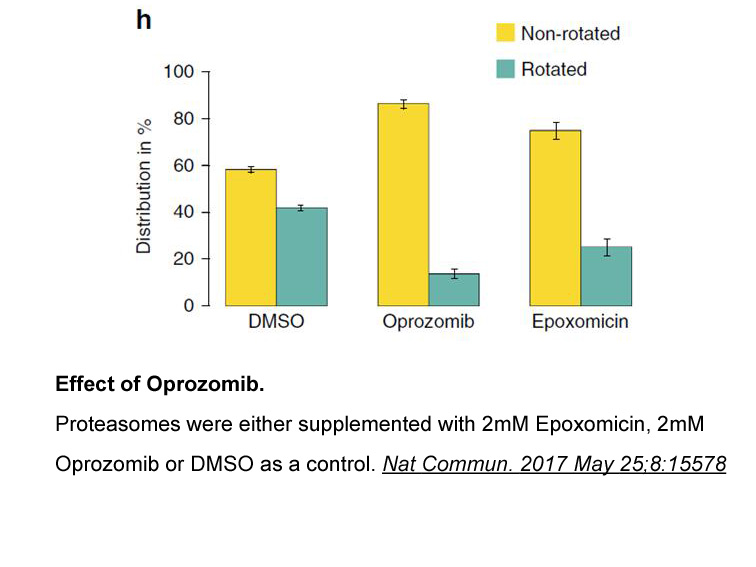
Apart from the different assays used, biased agonism could also explain the inconsistent pharmacology of GPR55. Indeed, one study compared the effect of LPIs and Virodhamine in HEK293 Diosmetin stably transfected with human GPR55. They found that the effect of both ligands on intracellular Ca2+ was
-
We suggest that the FRET enhancement observed when the modif
2022-01-15
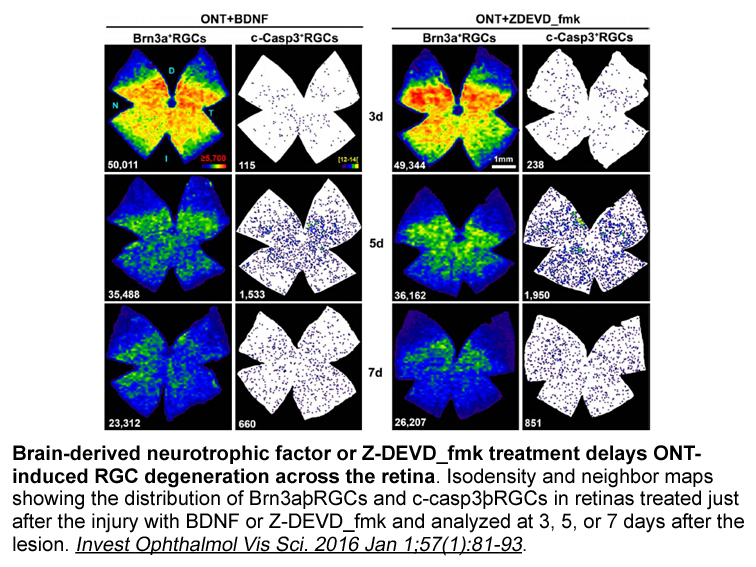
We suggest that the FRET enhancement observed when the modified mD1 protein containing Acd at position 28 was excited at 260nm (), may differ from the diminution in fluorescence observed following excitation at 280nm due to the excitation of different transitions in Trp (i.e., the L and L transition
-
To investigate if such an effect is observed in
2022-01-15
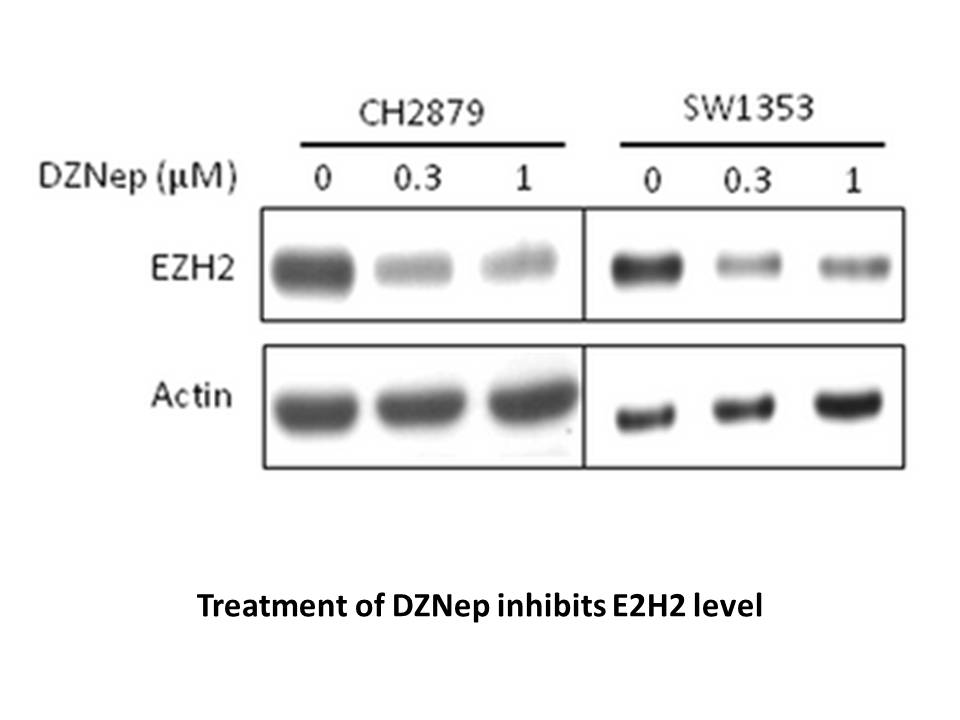
To investigate if such an effect is observed in native GlyT1, we introduced S605D and S605A mutations into GlyT1 and transfected these DNA constructs into N2a cells. For an internal control of calpain cleavage, we also introduced the first 100 amino-acids of the rat GlyT2N terminus upstream of the m
-
By regulation of synaptic glutamate concentration glutamate
2022-01-15
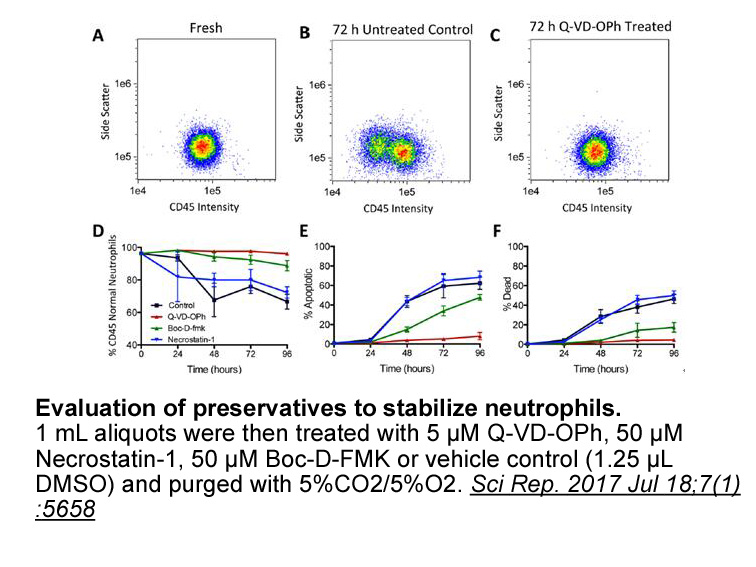
By regulation of synaptic glutamate concentration, glutamate transporters play an important role in limiting glutamate signaling and controlling the activation of glutamate receptors (Rimmele and Rosenberg, 2016). Reduced glutamate transport is thought to underlie the pathogenesis of numerous neurol
-
Work in the Ruiz i
2022-01-15

Work in the Ruiz i Altaba lab was funded by grants from the Swiss National Science Foundation, the Ligue Suisse Contre le Cancer, the European FP7 Marie-Curie Initial Training Network HEALING, a James McDonnell Foundation 21st Century Science Initiative in Brain Cancer-Research Award and funds from
-
br Calcium permeability pathway It has been demonstrated tha
2022-01-15

Calcium permeability pathway It has been demonstrated that physiological shear stress in the circulation causes a reversible increase in Ca2+ permeability [29], [30], [31], [32], [33] and electrophysiological evidence has been recently reported for transient activation of the Ca2+-sensitive K+ ch
16581 records 547/1106 page Previous Next First page 上5页 546547548549550 下5页 Last page