Archives
- 2026-07
- 2026-06
- 2026-05
- 2026-04
- 2026-03
- 2026-02
- 2026-01
- 2025-12
- 2025-11
- 2025-10
- 2025-09
- 2025-04
- 2025-03
- 2025-02
- 2025-01
- 2024-12
- 2024-11
- 2024-10
- 2024-09
- 2024-08
- 2024-07
- 2024-06
- 2024-05
- 2024-04
- 2024-03
- 2024-02
- 2024-01
- 2023-12
- 2023-11
- 2023-10
- 2023-09
- 2023-08
- 2023-07
- 2023-06
- 2023-05
- 2023-04
- 2023-03
- 2023-02
- 2023-01
- 2022-12
- 2022-11
- 2022-10
- 2022-09
- 2022-08
- 2022-07
- 2022-06
- 2022-05
- 2022-04
- 2022-03
- 2022-02
- 2022-01
- 2021-12
- 2021-11
- 2021-10
- 2021-09
- 2021-08
- 2021-07
- 2021-06
- 2021-05
- 2021-04
- 2021-03
- 2021-02
- 2021-01
- 2020-12
- 2020-11
- 2020-10
- 2020-09
- 2020-08
- 2020-07
- 2020-06
- 2020-05
- 2020-04
- 2020-03
- 2020-02
- 2020-01
- 2019-12
- 2019-11
- 2019-10
- 2019-09
- 2019-08
- 2019-07
- 2019-06
- 2019-05
- 2019-04
- 2018-11
- 2018-10
- 2018-07
-
According to literature RASs V M T S Q K
2021-12-27
According to literature, RASs V36M, T54S, Q80K and R155K are considered primary resistance mutations to different PIs. RASs V36M and R155K can reduce susceptibility to recently approved PIs simeprevir, paritaprevir and grazoprevir [18], [31], [32]. T54S is associated to resistance for first-wave tel
-
GPR levels were not changed by any treatment GPR has
2021-12-27
GPR40 levels were not changed by any treatment. GPR40 has the same agonists as GPR120 but only a 10% homology [35] despite using the same intracellular signaling cascades [7]. Previous data on the ability of exercise to modulate G protein coupled receptors in general are scarce. The long-chain fatty
-
Our exploration of Domain focused on the role
2021-12-27
Our exploration of Domain 1 focused on the role of the carbonyl linker in (). We found that replacement of this group by a methylene unit as in or direct attachment of the thiophene ring to the central aromatic core as in did not significantly impact potency. The thiophene ring in could be repla
-
br The methyl aspartate receptor NMDAr hypofunction hypothes
2021-12-27

The -methyl--aspartate receptor (NMDAr) hypofunction hypothesis of schizophrenia correlates disease symptomology with glutamatergic neurotransmission dysfunction., , , Therefore, inhibition of glycine transporter 1 (GlyT1) to elevate synaptic levels of glycine and potentiate NMDAr signaling is a
-
Phos-tag To test our refinement protocol we considered
2021-12-27
To test our refinement protocol, we considered a benchmark set of 12 N-linked glycan-containing protein structures determined by X-ray crystallography at resolutions ranging between 1.9 Å and 3.5 Å and comprising a total of 133 glycan units. We identified four incorrect anomeric configurations and 2
-
In summary activated A AR exacerbated the
2021-12-27
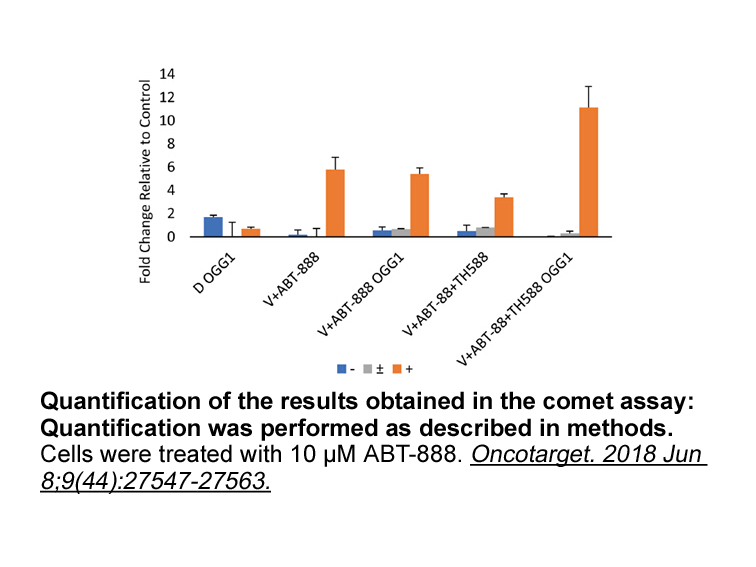
In summary, activated A2AR exacerbated the reverse transport function of endothelial EAATs through a direct or indirect pathway depending on PKA and glutamate levels in response to OGD in vitro, but A2AR inhibition quickly restored the normal transport function. Moreover, the key mechanisms by which
-
Underlying this study is the hypothesized importance of insu
2021-12-27
Underlying this study is the hypothesized importance of insulin and glucose metabolism on bone. In our investigation of GIP and GIPR gene polymorphisms in relation to bone phenotypes in young and old women our findings depict a complex relationship between glucose metabolism genes and bone. In the c
-
Ketoconazole mg br Materials and methods br Results br
2021-12-27
Materials and methods Results Discussion Our data show that the ghrelin receptor, Ghsr, links energy homeostasis with a form of adult hippocampal plasticity. The presence of Ghsr on mature DG neurons suggest that acyl-ghrelin may modulate NSPCs indirectly, possibly via soluble factors such
-
Whether histamine receptor distribution is altered in
2021-12-24
Whether histamine receptor distribution is altered in canine GI diseases remains unknown, but human research has documented altered histamine receptor density in certain GI diseases (Sander et al., 2006, Deiteren et al., 2015, Von Rahden et al., 2011). Additionally, a novel H4 receptor antagonist, J
-
br Conclusions and future perspectives br
2021-12-24
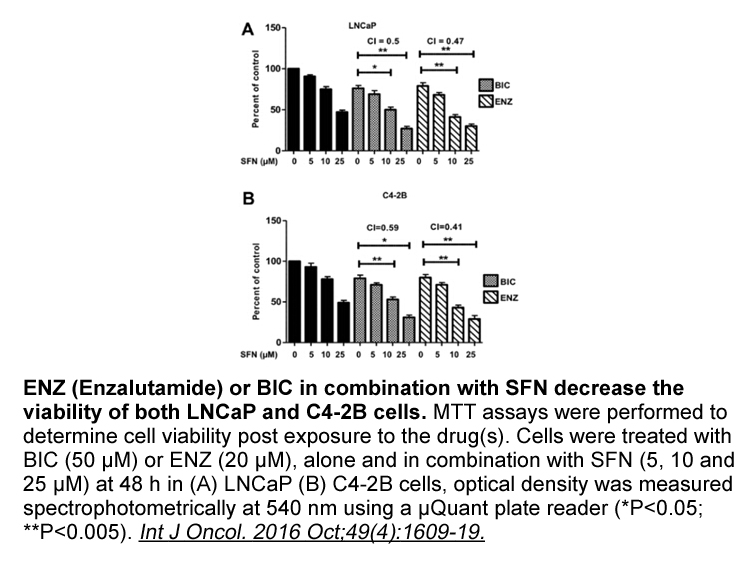
Conclusions and future perspectives Declarations of interest Acknowledgements The authors thank Mrs. Kamala Pandey for the help in the preparation of this manuscript. This work was supported by NIH grants R01HL057531 and R01HL062147. Introduction Separation of short exons by long non-co
-
Introduction Non alcoholic hepatic steatosis is characterize
2021-12-24
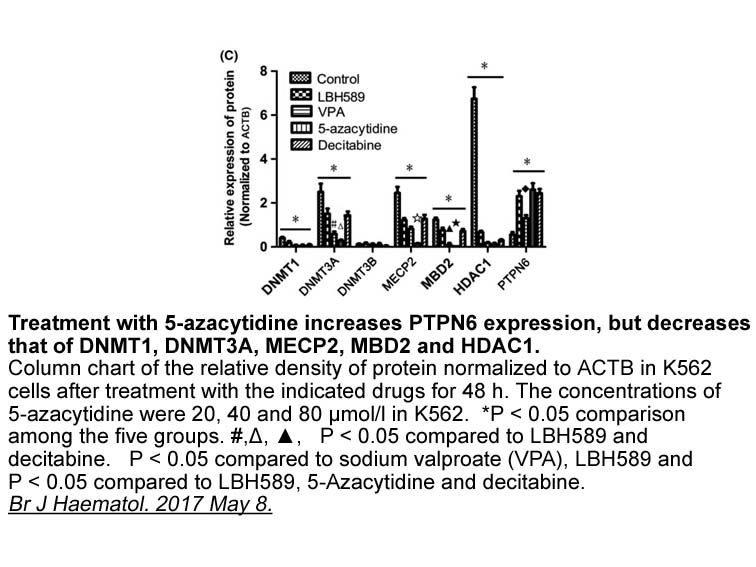
Introduction Non-alcoholic hepatic steatosis is characterized by the presence of steatosis in hepatocytes [1], which leads to the development of fatty liver [2]. It is strongly associated with obesity, insulin resistance, and type II diabetes [3]. They are major risk factors of non-alcoholic hepati
-
Consistent with these observations impaired transduction of
2021-12-24

Consistent with these observations, impaired transduction of the glutamate signal by NMDARs (i.e., NMDA receptor hypofunction [NRH]) by parvalbumin-containing GABAergic inhibitory interneurons is implicated in mediating social deficits, a domain of psychopathology responsible for poor functional out
-
Oxidative stress results from the disequilibrium between
2021-12-24
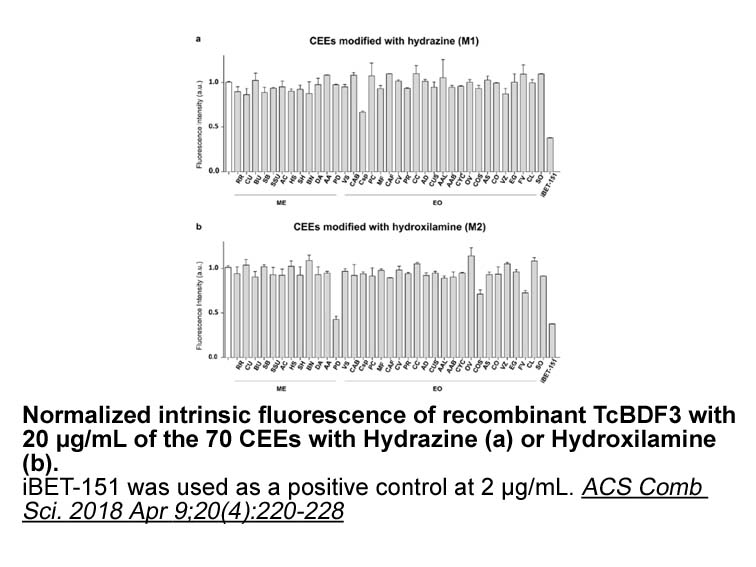
Oxidative stress results from the disequilibrium between levels of prooxidant molecules produced and the ability of a biological system to detoxify and neutralize the reactive molecules [14]. OS is a chronic, self-perpetuating state of damage to cells and increased inflammation resulting from the co
-
Rifampicin that is methyl piperazinyl imino methyl rifamycin
2021-12-24
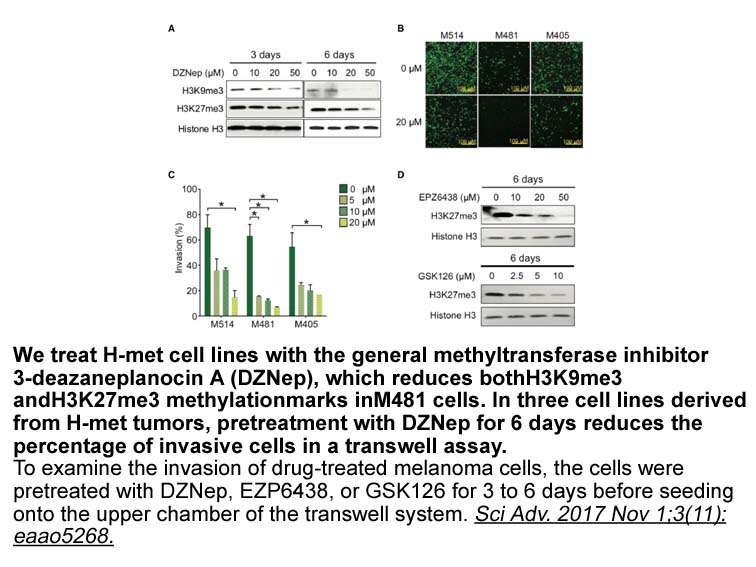
Rifampicin, that is 3-[[(4-methyl-1-piperazinyl) imino] methyl]-rifamycin (Fig. 1), is a semisynthetic antibiotic drug. It is one of the most potent and broad drug against bacterial pathogens and tuberculosis [9]. In recent years, rifampicin has also been reported to have inhibitory effects on Taq R
-
Sequences of hexokinases were initially deduced and predicte
2021-12-24
Sequences of hexokinases were initially deduced and predicted based on cDNA clones (Andreone et al., 1989, Schwab and Wilson, 1989, Schwab and Wilson, 1991, Griffin et al., 1991, Thelen and Wilson, 1991). Analysis of genome sequence data identified, in AM1241 to the 4 expected known hexokinase enzy
16581 records 559/1106 page Previous Next First page 上5页 556557558559560 下5页 Last page