Archives
- 2026-07
- 2026-06
- 2026-05
- 2026-04
- 2026-03
- 2026-02
- 2026-01
- 2025-12
- 2025-11
- 2025-10
- 2025-09
- 2025-04
- 2025-03
- 2025-02
- 2025-01
- 2024-12
- 2024-11
- 2024-10
- 2024-09
- 2024-08
- 2024-07
- 2024-06
- 2024-05
- 2024-04
- 2024-03
- 2024-02
- 2024-01
- 2023-12
- 2023-11
- 2023-10
- 2023-09
- 2023-08
- 2023-07
- 2023-06
- 2023-05
- 2023-04
- 2023-03
- 2023-02
- 2023-01
- 2022-12
- 2022-11
- 2022-10
- 2022-09
- 2022-08
- 2022-07
- 2022-06
- 2022-05
- 2022-04
- 2022-03
- 2022-02
- 2022-01
- 2021-12
- 2021-11
- 2021-10
- 2021-09
- 2021-08
- 2021-07
- 2021-06
- 2021-05
- 2021-04
- 2021-03
- 2021-02
- 2021-01
- 2020-12
- 2020-11
- 2020-10
- 2020-09
- 2020-08
- 2020-07
- 2020-06
- 2020-05
- 2020-04
- 2020-03
- 2020-02
- 2020-01
- 2019-12
- 2019-11
- 2019-10
- 2019-09
- 2019-08
- 2019-07
- 2019-06
- 2019-05
- 2019-04
- 2018-11
- 2018-10
- 2018-07
-
Importantly in genetic studies Saccharomyces cerevisiae Pif
2021-06-21
Importantly, in genetic studies, Saccharomyces cerevisiae Pif1, a member of the SF1 family of helicases, has been implicated in BIR in conjunction with Pol δ (Chung et al., 2010, Saini et al., 2013, Wilson et al., 2013). Using highly purified S. cerevisiae proteins, a system that permits dissection
-
Our data indicate that the ability of these promiscuous
2021-06-21
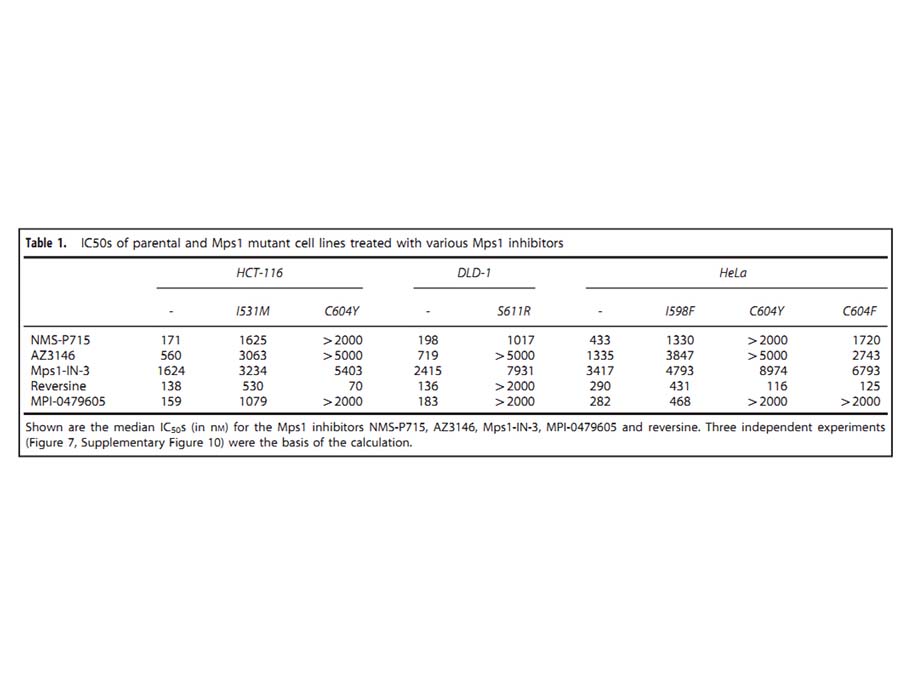
Our data indicate that the ability of these promiscuous kinases to bind chemically diverse inhibitors is defined by the hydrophobic pocket formed by the activation loop, which is only accessible in the DFG-Asp-out conformation. Inhibitors do not artificially induce the DFG-Asp-out conformation as wa
-
Contrary to genetic aberrations epigenetic methylation marke
2021-06-21

Contrary to genetic aberrations epigenetic methylation markers with broad coverage of OvCa subtypes were detected in primary tumors [21]. Ibanez de Caceres et al. [22] identified hypermethylation of BRCA1, APC, p16, p14, DAPK or RASSF1A in 50 of 50 primary tumors. Moreover the methylation pattern wa
-
Creatinine synthesis br Chagas disease Chagas disease an NTD
2021-06-21
Chagas disease Chagas disease, an NTD caused by the protozoan Trypanosoma cruzi, affects 8–10 million people globally. More than 10,000 deaths are caused by the disease each year, and nearly 70 million people are susceptible to infection (Manne-Goehler, Umeh, Montgomery, & Wirtz, 2016). Chagas di
-
Several highly potent CysLT receptor antagonists with large
2021-06-21
Several highly potent CysLT1 receptor antagonists with large structural npy receptor have been developed. Beyond antagonists with structures analogous to cysteinyl leukotrienes, other subclasses comprise: (a) hydroxyacetophenones, (b) indoles and indazoles, (c) quinolines, benzothiazoles, and thiaz
-
ARA metabolites which are produced through cytochrome P CYP
2021-06-21
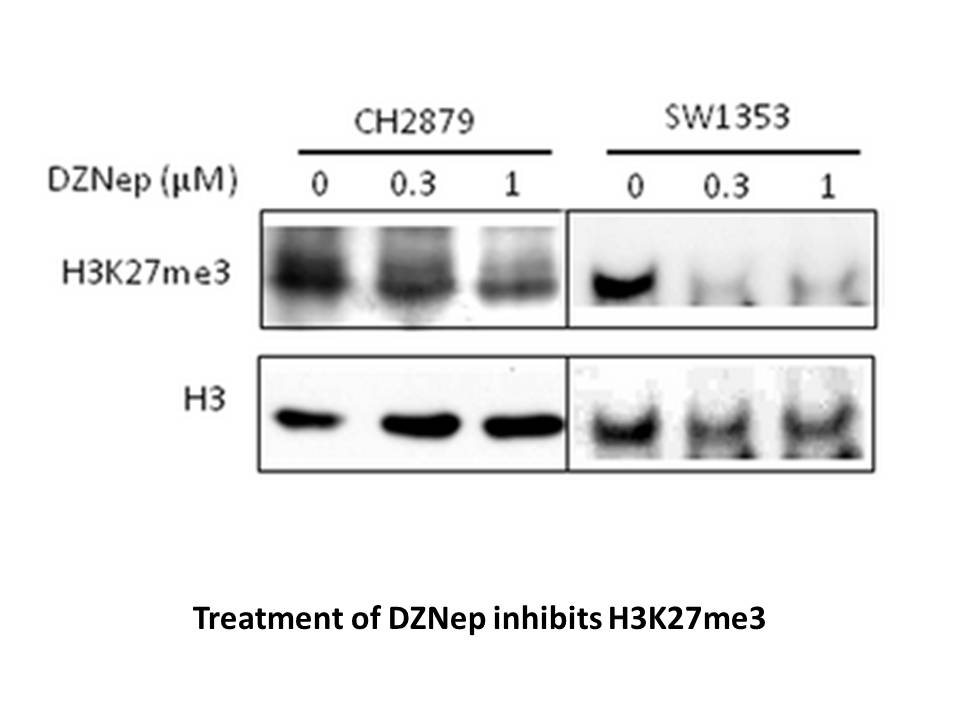
ARA metabolites, which are produced through cytochrome P450 (CYP450) enzymes influence cardiovascular homeostasis. Human CYP4A11 and CYP1A2 metabolize ARA to 20-hydroxyecostearonic Remodelin sale (20-HETE) [11], which is a vasoconstrictor [12], platelet activator [13] and naturetic in the kidney [14
-
Here we show that cpg is expressed only in
2021-06-21
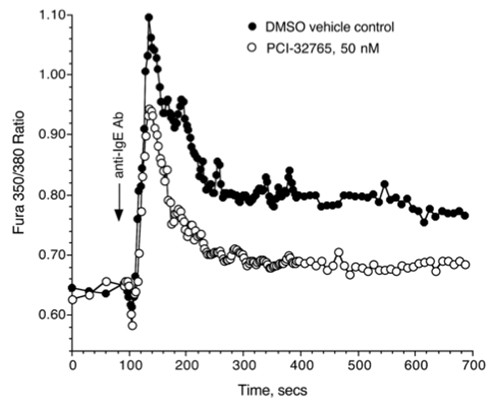
Here, we show that cpg2 is expressed only in the AMG-458 australia and encodes a protein that localizes specifically to the postsynaptic endocytic zone of excitatory synapses. We present evidence that CPG2 is a critical component of the postsynaptic endocytic pathway that mediates both constitutive
-
Bexarotene mg The final test that was
2021-06-21

The final test that was performed was to determine whether the trigger points of the current limiters are stable across a wide temperature range. This test was performed within a thermal-vacuum chamber on each current limiter individually. All the current limiter trip currents were set to approximat
-
PCI-24781 Nevertheless two problems exist in BGCFC in practi
2021-06-21
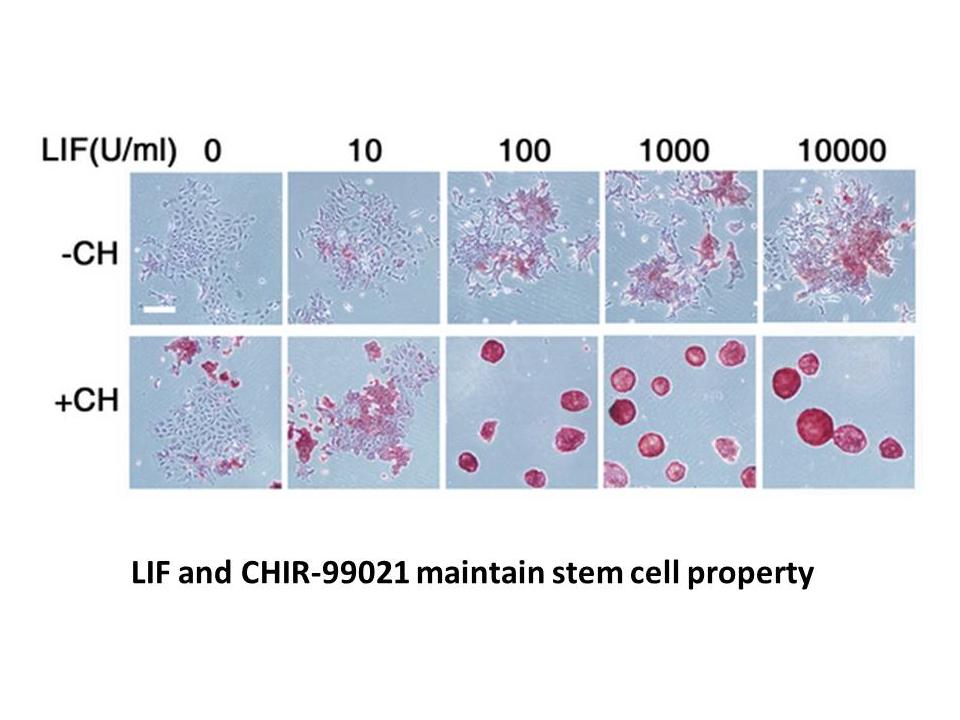
Nevertheless, two problems exist in BGCFC in practice. The first one is that time complexity of the ID assignment algorithm presented in Section 3.1 is O(N!), which means a factorial time complexity. Because it obtains the consecutive IDs by enumerating all permutations of ID 0 to N−1, the total num
-
The present study was the first to examine how
2021-06-21
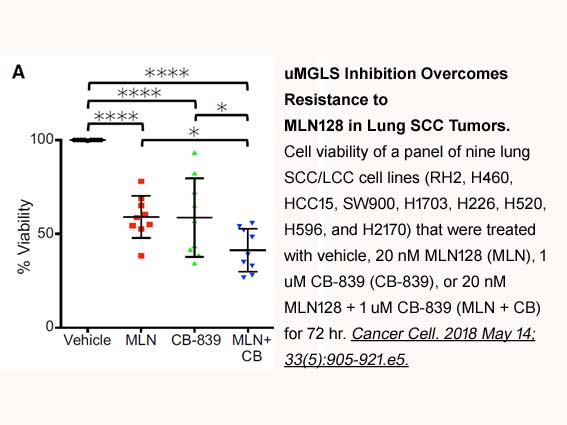
The present study was the first to examine how COMT genotype and estradiol are associated with ZM 447439 receptor functioning in healthy postmenopausal women. We hypothesized that with decreased circulating estradiol after menopause, the COMT genotype relationship to cognition would remain and perh
-
Interestingly from our consensus SBVC protocol only few comp
2021-06-21
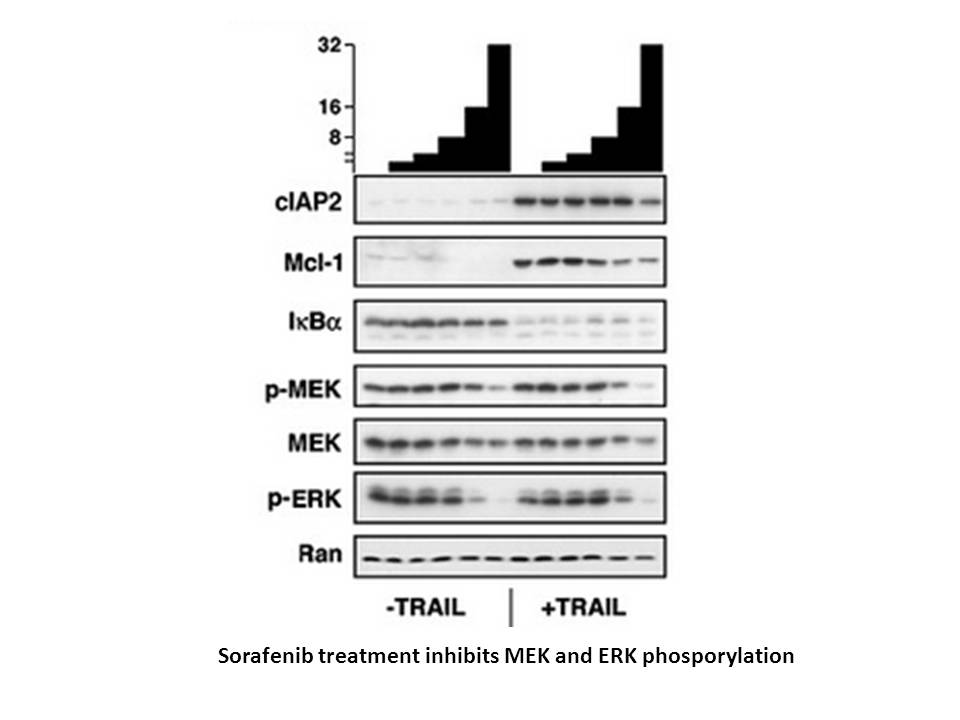
Interestingly, from our consensus SBVC protocol only few compounds (less than 150) have been scored with a full ‘ consensus’. That means that these compounds appear in the top 5% of the database when ranked by every scoring function independently. After visual inspection, we have realized that two a
-
br Conclusions Enzyme prodrug therapy mediated
2021-06-19
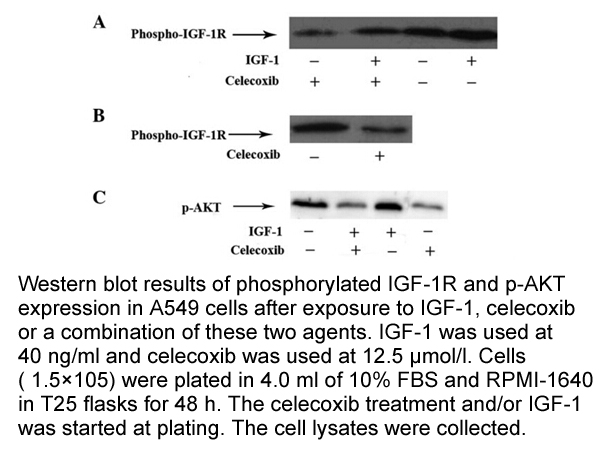
Conclusions Enzyme prodrug therapy mediated by implantable biomaterials combines the benefits offered by the site specific drug delivery techniques and the systemic administration of drugs. From the former, SMEPT inherits the localized mode of drug delivery with lower systemic distribution of the
-
It is noteworthy that little is
2021-06-19
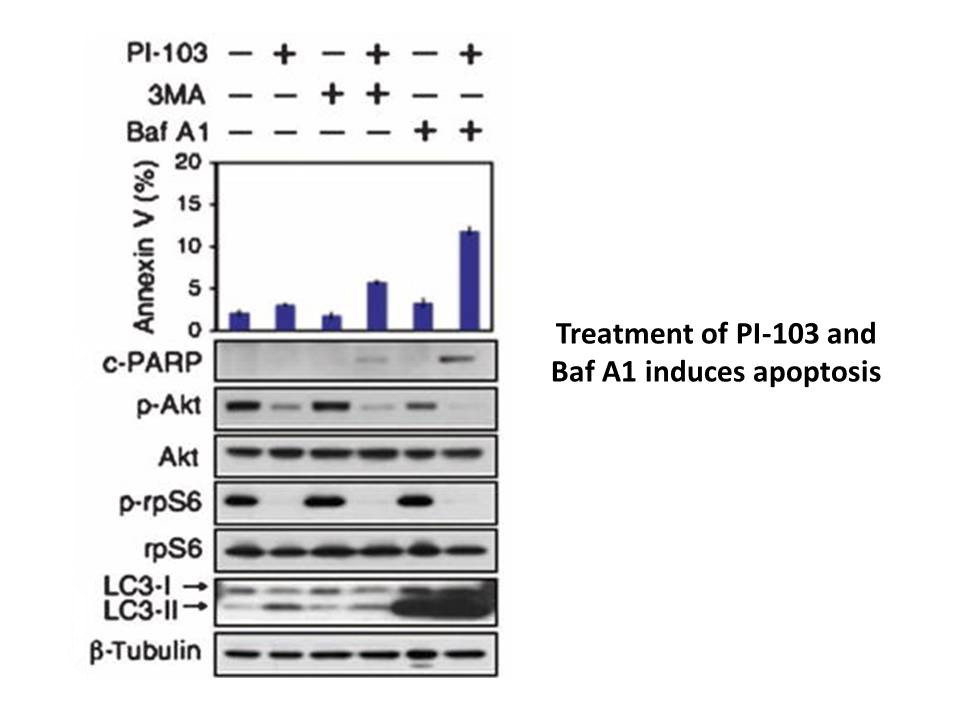
It is noteworthy that little is known as to the role of autophagy in regulation of eNOS phosphorylation and eNOS uncoupling. eNOS monomers, but not eNOS dimers could be degraded by ubiquitination [39], harbingering the existence of protein degradation pathways in modulation of eNOS turnover and acti
-
Several limitations of this study need to be acknowledged
2021-06-19
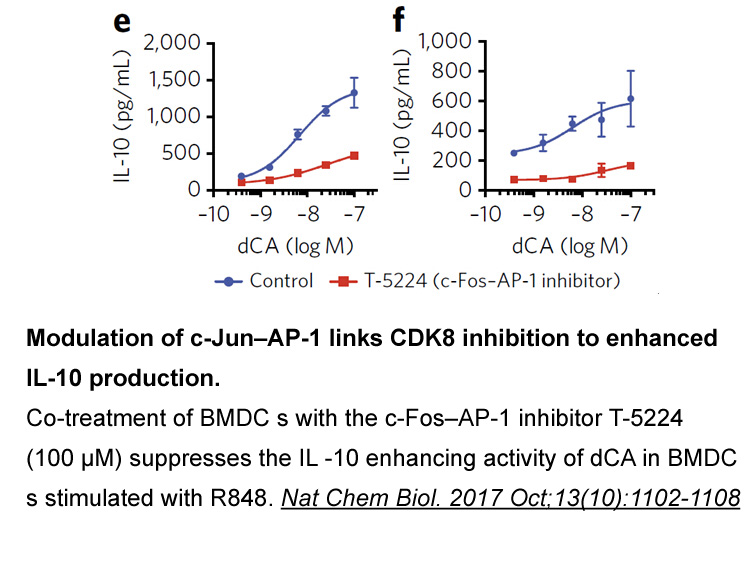
Several limitations of this study need to be acknowledged. First, although 200 patients were recruited into this study and completed assessments at baseline, only 89 patients completed the cognitive tests after 8weeks of treatment. The relatively long study period (8weeks) was the main reason for th
-
In this report we present spectroscopic evidence on
2021-06-19
In this report, we present spectroscopic evidence on the effect of different solvents having proton acceptor and proton donor ability and pH of the medium on the abstraction of amino proton of PI (Scheme 1) for controlling the nonradiative rates. Despite the general utility of PI as a DNA intercalat
16579 records 671/1106 page Previous Next First page 上5页 671672673674675 下5页 Last page