Archives
- 2018-07
- 2018-10
- 2018-11
- 2019-04
- 2019-05
- 2019-06
- 2019-07
- 2019-08
- 2019-09
- 2019-10
- 2019-11
- 2019-12
- 2020-01
- 2020-02
- 2020-03
- 2020-04
- 2020-05
- 2020-06
- 2020-07
- 2020-08
- 2020-09
- 2020-10
- 2020-11
- 2020-12
- 2021-01
- 2021-02
- 2021-03
- 2021-04
- 2021-05
- 2021-06
- 2021-07
- 2021-08
- 2021-09
- 2021-10
- 2021-11
- 2021-12
- 2022-01
- 2022-02
- 2022-03
- 2022-04
- 2022-05
- 2022-06
- 2022-07
- 2022-08
- 2022-09
- 2022-10
- 2022-11
- 2022-12
- 2023-01
- 2023-02
- 2023-03
- 2023-04
- 2023-05
- 2023-06
- 2023-07
- 2023-08
- 2023-09
- 2023-10
- 2023-11
- 2023-12
- 2024-01
- 2024-02
- 2024-03
- 2024-04
- 2024-05
-
Apelin is involved in various
2024-05-10
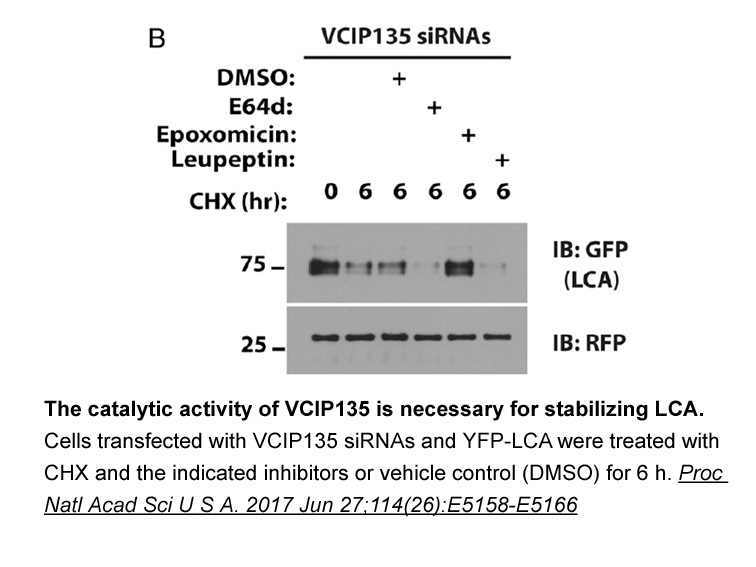
Apelin is involved in various physiological functions, including GW311616 hydrochloride australia contraction (Ashley et al., 2005), vasodilatation (Jia et al., 2007), feeding control (Valle et al., 2008), and metabolic homeostasis (Higuchi et al., 2007, Dray et al., 2008, Attane et al., 2010). Its
-
Bamboo the fastest growing multipurpose woody plant with a m
2024-05-10
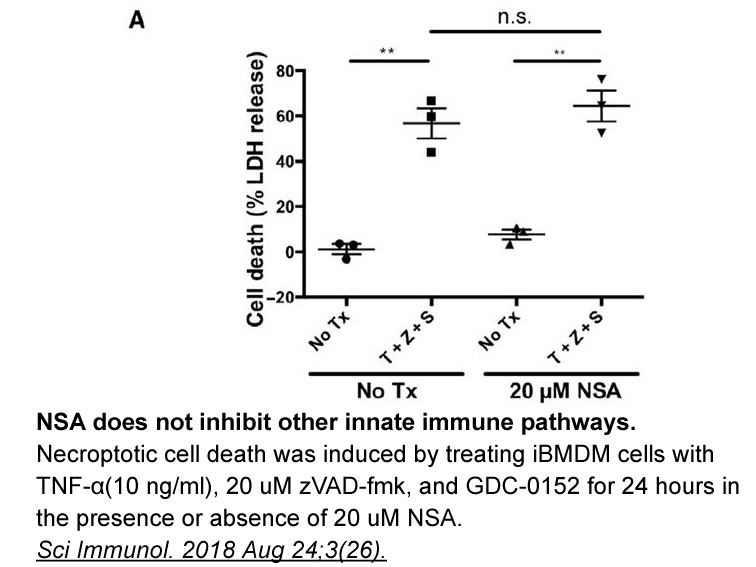
Bamboo, the fastest growing, multipurpose woody plant with a myriad of industrial and domestic uses is intricately associated with the cultural, social and economic conditions of people in many Asian countries. Its uses are not only limited to being used as a substitute for wood in construction, fur
-
To the best of our knowledge this is
2024-05-10
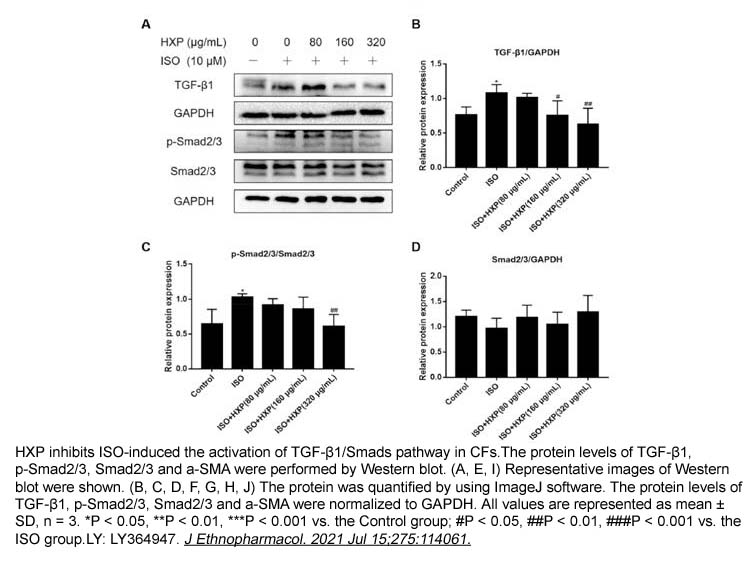
To the best of our knowledge, this is the first study documenting the SCC modulatory effect at central and kidney level on the shift in the vasoconstrictor-vasodilator ratio of mRNA expression of angiotensin receptors toward vasoconstriction in XY-SCC and/or vasodilation in XX-SCC mice. From these r
-
br Conclusions br Transparency document br Acknowledgements
2024-05-10

Conclusions Transparency document Acknowledgements This work was supported by a grant from the European Commission FP6 “Neuroprion” – Network of Excellence and Royal Veterinary College Bioveterinary science research project funding. We thank Professor Alun Williams (Cambridge University) fo
-
Alectinib is a second generation ALK antagonist that is buil
2024-05-10
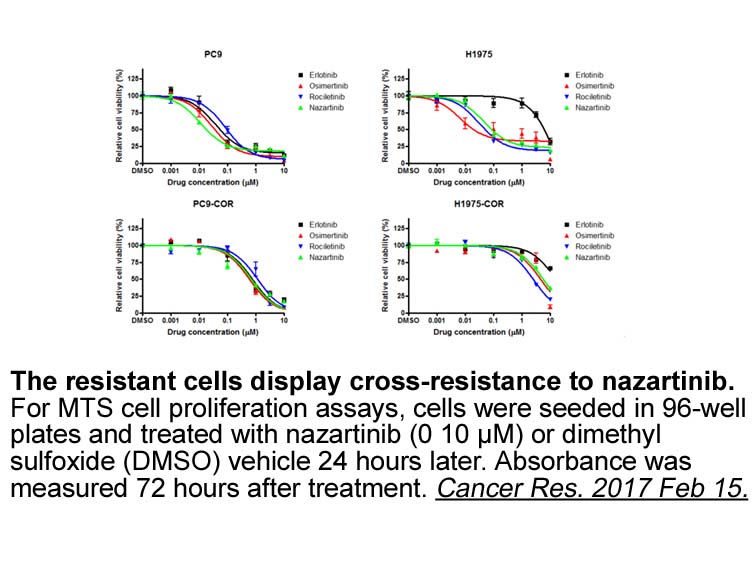
Alectinib is a second generation ALK antagonist that is built upon a 9-ethyl-6, 6-dimethyl-11-oxo benzo[b]carbazole scaffold (Fig. 5C) [58]. This drug is effective against the ALK L1196M gatekeeper mutation along with C1156Y and F1174L mutations [7]. The 11-oxo group of the drug forms a EMD638683 w
-
br Discussion Mycobacterium tuberculosis infection
2024-05-09
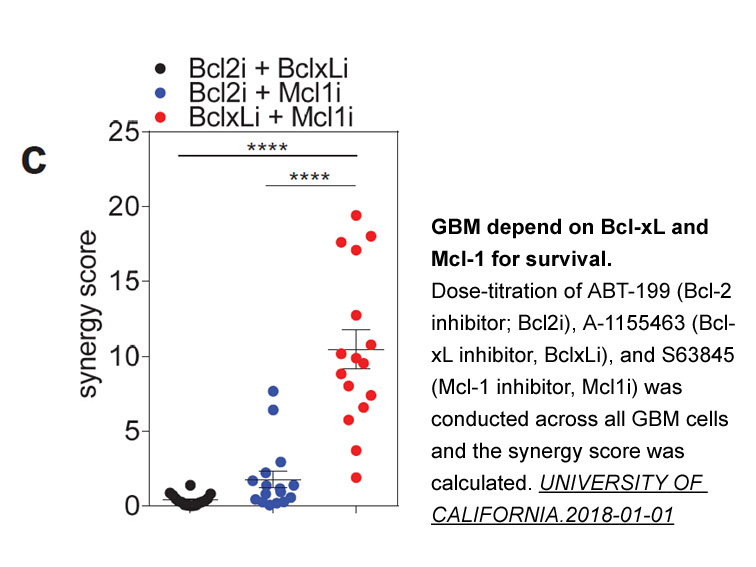
Discussion Mycobacterium tuberculosis infection is a main threat to mankind, with one third of the world population being infected. [9] Over nine million new cases of tuberculosis and two million deaths from this disease occur yearly worldwide. [10] The rising incidence of tuberculosis over the l
-
The hypothalamic pituitary adrenal HPA axis is a neuroendocr
2024-05-09
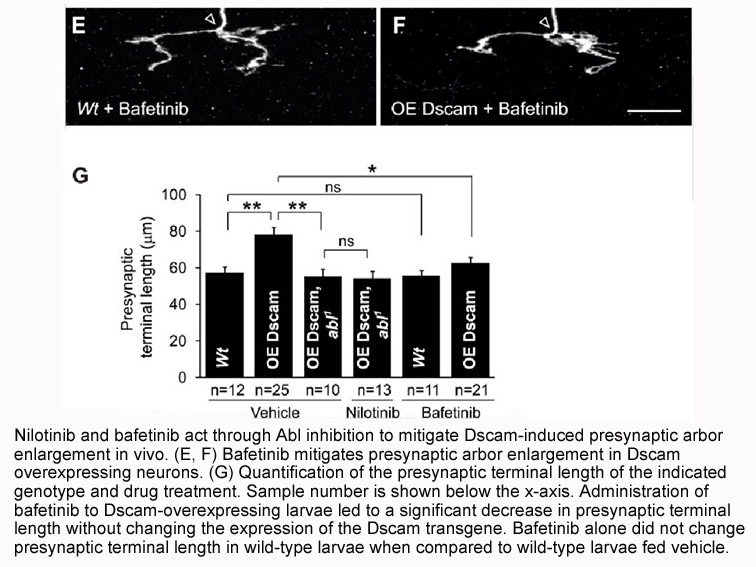
The hypothalamic-pituitary-adrenal (HPA) axis is a neuroendocrine system that is central to regulating responses to stress (Palazidou, 2012). In older persons, a high dysfunction of the HPA axis is observed (Otte et al., 2005) which may be enhanced by stimulatory effects of genes involved in the axi
-
It is increasingly evident that many
2024-05-09
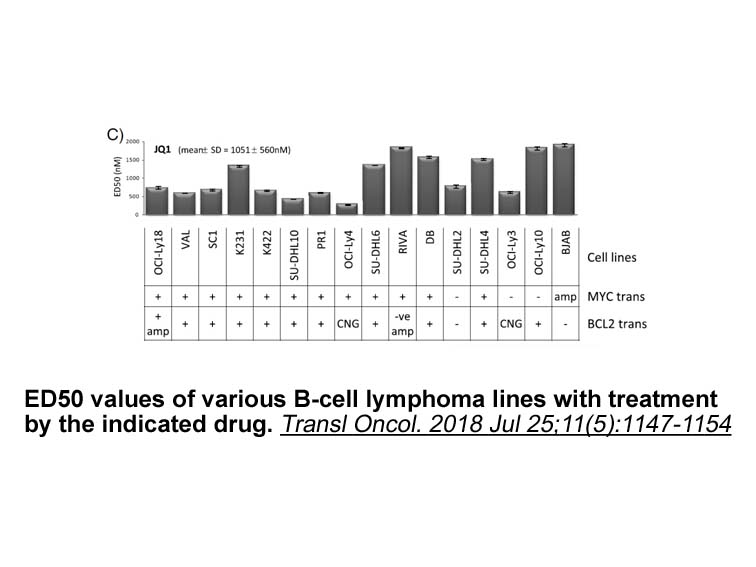
It is increasingly evident that many metabolic genes are associated with cancer progression of various tumor cells, including NSCLC. In particular, GLUT1 overexpression has been reported in NSCLC, and correlations between GLUT1 expression and a number of clinical parameters such as gender, smoking s
-
Introduction the DNA damage response important implications
2024-05-09
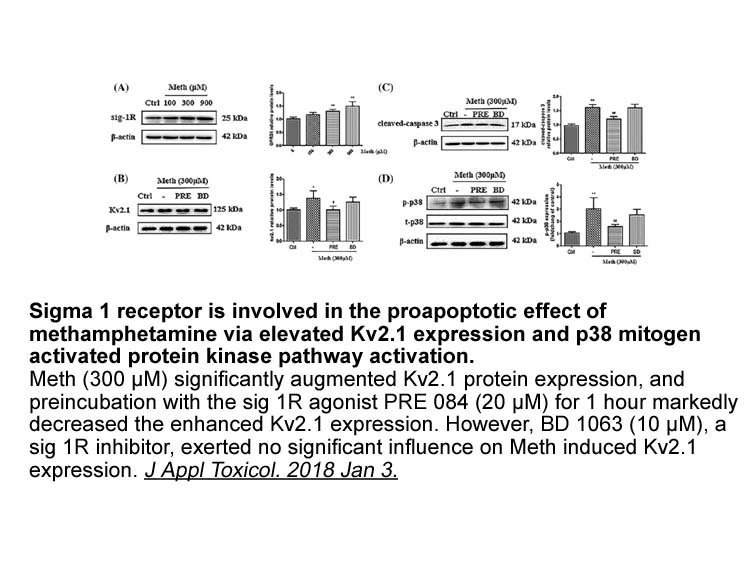
Introduction: the DNA damage response — important implications for tumour development and treatment Cells are invariably challenged by tens of thousands of lesions inflicted on their DNA everyday (Lindhal, 1993). This DNA damage can be caused exogenously by exposure to different types of radiation
-
AT7519 Hydrochloride mg The following are the supplementary
2024-05-09

The following are the supplementary data related to this article. Competing interest Ethics approval and consent to participate Authors' contributions Acknowledgements The authors thank Dr. D. R. Kaplan for kind advice and materials derived from NB primary cell lines, Dr. F. D. Miller f
-
Songbirds are outstanding models in the study
2024-05-09
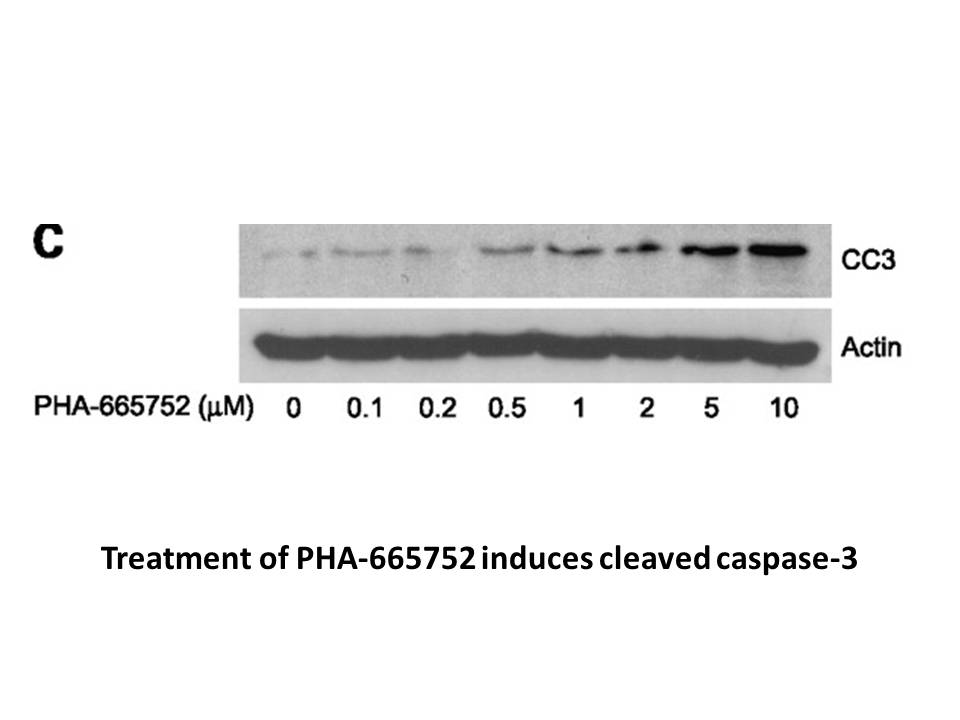
Songbirds are outstanding models in the study of vocal communication (Maney and Pinaud, 2011). Following the pioneering studies of William H. Thorpe and Peter Marler on the development of song in chaffinches (Fringilla coelebs) and white-crowned sparrows (Zonotrichia leucophrys) (Marler, 2004; Thorp
-
br Acknowledgements This work was supported by the Victorian
2024-05-09
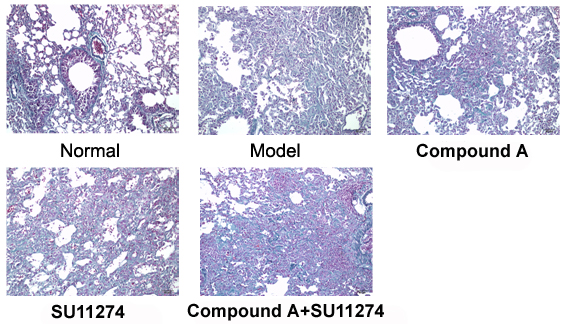
Acknowledgements This work was supported by the Victorian Government Operational Infrastructure Support Program. KAB is supported by the Mavis Robertson Fellowship from the National Breast Cancer Foundation (NBCF; ECF-16-004), by an NBCF Novel Concept Award (NC-14-011), and by NHMRC project grant
-
There are several AP binding sites in the sequence of
2024-05-09
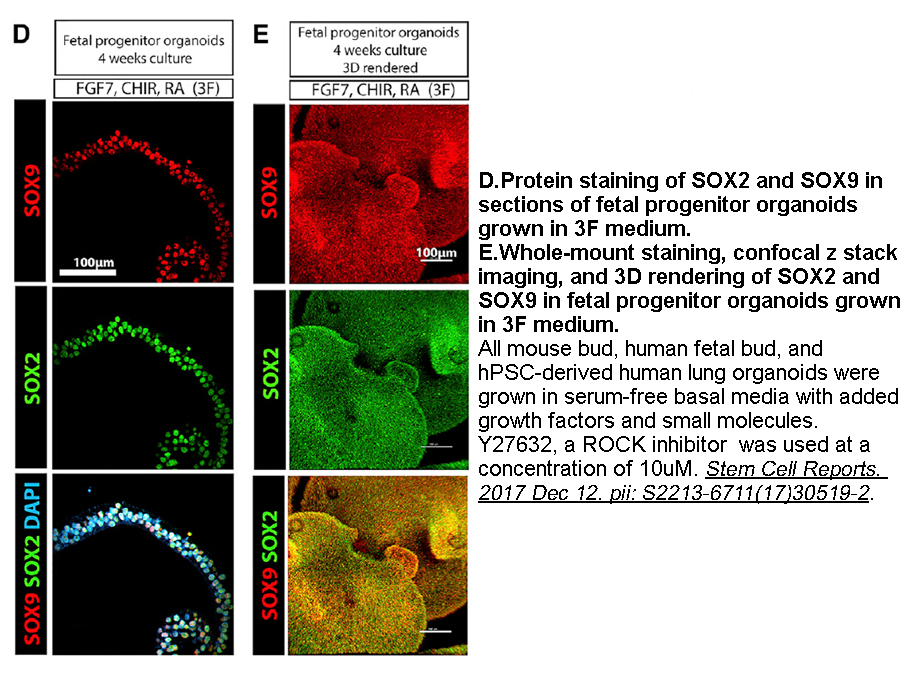
There are several AP-1 d-cycloserine in the sequence of TIMP-1 promoter [18,19]. EBV could up-regulate TIMP-1 expression by binding to the AP-1 site in the TIMP-1 promoter [18]. IL-32, a newly multi-function cytokine, could activate AP-1, NF-κβ, p38MAPK signal pathways, and induce cytokine expressi
-
br Conclusion We present here the
2024-05-09

Conclusion We present here the first comprehensive analysis of B-Raf-induced transcriptional activation in insulinoma cells. The B-Raf-induced signaling cascade targets the c-Fos and the c-Jun genes. Both gene products are constituents of the AP-1 transcription factor. The phosphatases MKP-1 and
-
Elacridar It has been demonstrated that the hallmarks of pul
2024-05-09
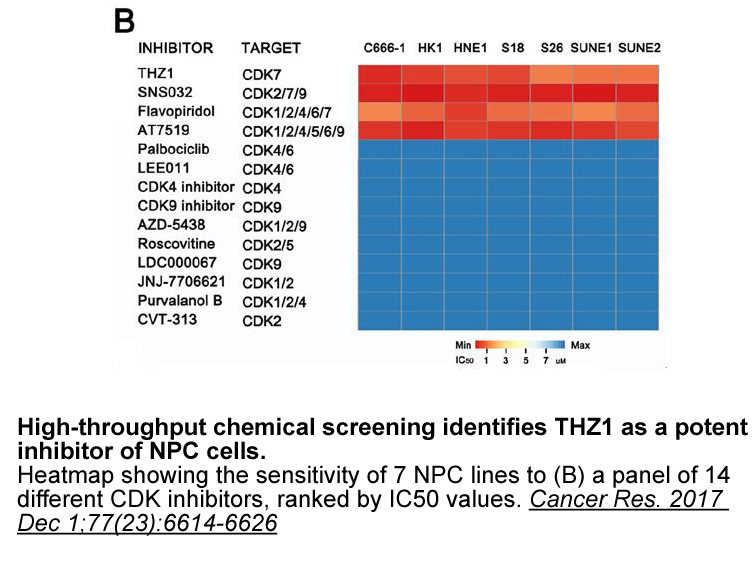
It has been demonstrated that the hallmarks of pulmonary fibrosis are a loss of endothelial function and subsequent activation of the immune system, which is considered as a direct outcome affected by intracellular pro-inflammatory responses [26]. Thus, inhibition of early inflammation could be an i